
Small cardamom prices rise due to decrease in production
19-Nov-2024 07:58 PM
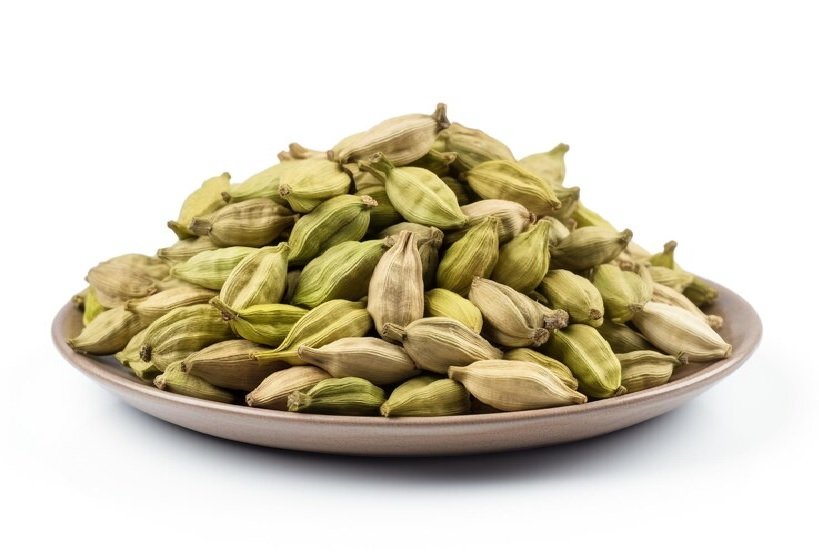
The small cardamom market is currently experiencing a price surge due to a decrease in production both in India and Guatemala, affecting supply. Here's a breakdown of the key developments:
Production Decline
- India's Production: Current estimates suggest that India's small cardamom production will be around 22,000–23,000 tons, down from 30,000–31,000 tons last year—a 20–25% decline.
- Guatemala's Production: The situation is even more pronounced in Guatemala, where production has decreased by 35–40%, with estimates of 18,000–19,000 tons this season compared to 35,000–36,000 tons last year.
- As a result, both countries are likely to see lower domestic supplies of small cardamom, which is pushing up prices.
Price Trends
- Current Prices: Prices in Delhi have risen to ₹2,550–₹3,450 per kg, depending on quality. In auctions held by the Idukki Mahila Cardamom Producer Company, prices ranged from ₹2,795.65 to ₹3,183 per kg.
- Short-Term Outlook: In the short term, there may be some price correction (a drop of ₹50–₹100 per kg) due to profit booking as traders seek to capitalize on the recent rise of ₹250–₹300 per kg. However, overall, prices are expected to remain relatively high due to reduced production.
- Market Activity: While there is a possibility of some fluctuation, the market outlook remains positive for small cardamom, as the overall supply tightness is expected to sustain higher prices.
Export Trends
- Export Growth: For the first five months of the current financial year (2024-25), small cardamom exports have increased by 38%, reaching 2,366.98 tons, compared to 1,720.88 tons during the same period last year.
- Long-Term Export Outlook: After a decline in exports over the past two years, with figures dropping from 10,571 tons in 2021-22 to 6,168 tons in 2023-24, it is expected that exports will continue to grow this year due to the current uptick in global demand.
Guatemala's Role in the Market
- Importers from India traditionally rely on lower-quality cardamom from Guatemala for mixing purposes. However, this season, there has been little to no import activity, as Guatemala's production is also down significantly. This could further restrict global supply and put upward pressure on prices.
Conclusion
Despite the temporary fluctuations, small cardamom prices are likely to remain high due to the ongoing production shortfall in both India and Guatemala. The market appears strong, with export growth further supporting this trend. The general outlook for small cardamom in the short to medium term is positive, though traders and buyers should be prepared for periodic price adjustments.