
Some improvement in government procurement of moong and soybean
27-Nov-2024 05:22 PM
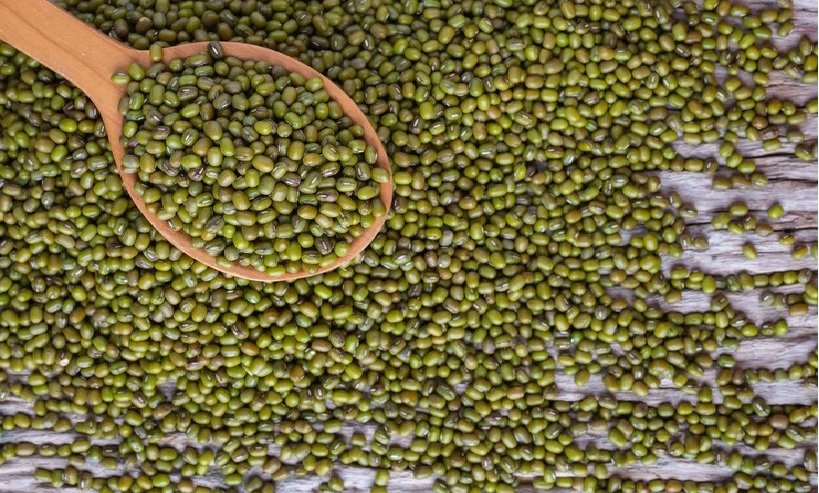
The Central Government's efforts to procure moong, soybean, and other pulses and oilseeds at the Minimum Support Price (MSP) have been a critical step in ensuring that farmers receive fair compensation, especially amid falling market prices. However, the pace of procurement has been slower than expected, which could impact the intended outcomes.
Key Issues:
Slow Procurement of Pulses and Oilseeds:
- While the government has approved substantial quantities for procurement, such as 3,34,416 tonnes of moong, 9,39,720 tonnes of urad, and 4,91,285 tonnes of tuvar, the actual procurement is lagging.
- Tuvar and sesame have not yet started procurement, and sunflower procurement stands at only 2,764 tonnes, limited to Karnataka.
- For groundnut, the government agency NAFED has procured 35,590 tonnes so far, but only in specific states like Gujarat (33,794 tonnes), Rajasthan (1,096 tonnes), and Uttar Pradesh (700 tonnes).
- Soybean, with a large target, is facing a drop in market prices, requiring NAFED to ramp up its purchasing. As of now, 1,54,202 tonnes of soybean has been procured across states such as Madhya Pradesh, Telangana, Maharashtra, Rajasthan, Karnataka, and Gujarat.
Moong Procurement:
- Moong seems to be the best-performing crop in terms of procurement. By November 25, 71,506 tonnes had been procured, with notable purchases in Karnataka (23,409 tonnes) and Rajasthan (47,079 tonnes).
- However, the procurement of urad is very minimal, with only 15 tonnes procured so far in Rajasthan.
Market Prices:
- The prices of tuvar, urad, groundnut, sunflower, and sesame are reportedly running at or above the MSP, leading to a decrease in arrivals at the markets (mandis). This could be contributing to the slow pace of procurement, as farmers may prefer to sell their produce in the open market rather than through government agencies.
Production Trends:
- The production of tuvar, moong, soybean, and groundnut is expected to increase this season, while urad production is anticipated to decrease compared to last year. This imbalance could further affect procurement targets and market dynamics.
Steps for Improvement:
Increase Government Agencies’ Reach:
- Efforts to increase procurement through agencies like NAFED should be stepped up, especially in states with lower procurement volumes.
- Extending procurement efforts to more states and mandis would ensure that farmers in underserved regions benefit from MSP.
Streamlining Procurement Systems:
- The government needs to speed up the procurement process for crops like tuvar, sesame, and sunflower, which have not seen significant procurement so far.
- The purchase of soybean should be particularly prioritized to meet the large procurement target and stabilize market prices.
Market Monitoring and Awareness:
- Increased awareness among farmers about MSP and procurement centers can reduce the reliance on open market sales, especially when MSP is competitive or higher than market prices.
- Real-time monitoring of market trends and farmer feedback can help adjust procurement efforts and avoid delays.
Infrastructure Enhancement:
- Improving the storage and transportation infrastructure for harvested crops could facilitate smoother procurement and prevent delays.
By addressing these issues, the government can meet its procurement targets and ensure that farmers receive the promised returns on their crops, thus stabilizing prices and securing their livelihoods.