
Sporadic arrival of new tur crop has started in Maharashtra, Karnataka and Telangana
27-Nov-2024 11:56 AM
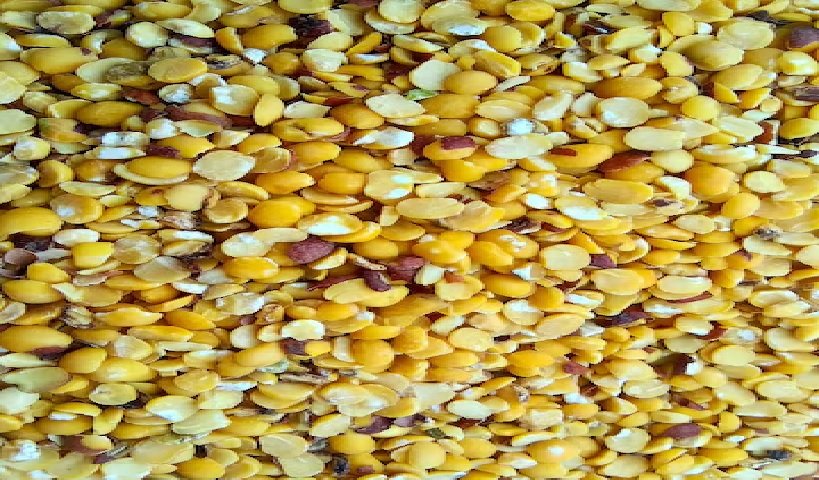
The arrival of the new tur crop has begun in various key producing states of India, including Maharashtra, Karnataka, and Telangana. As the crop ripens and matures in different regions, the quantity of new tur arriving in markets is expected to increase significantly over the next two to three weeks.
Currently, prices for the new tur crop are on the higher end in several markets. In Maharashtra, the price ranges from Rs 9,300 to Rs 10,600 per quintal in mandis like Dudhani and Solapur.
In Karnataka, the price in Kalaburgi is around Rs 10,950 per quintal, while in Raichur it ranges between Rs 10,365 to Rs 10,551 per quintal.
In Telangana, the prices in Narayanpet Mandi range between Rs 10,900 and Rs 11,251 per quintal, and in Tandoor, the prices are between Rs 10,035 and Rs 10,451 per quintal.
For older stocks, prices are somewhat lower. In Karnataka’s Bidar Mandi, the price is between Rs 8,520 and Rs 8,835 per quintal, while in Kalaburgi, it ranges from Rs 10,000 to Rs 10,862 per quintal.
In Maharashtra's Akola and Amravati markets, old tur prices range from Rs 9,500 to Rs 10,400 per quintal. The price of imported lemon tur in Chennai is reported to be between Rs 9,500 and Rs 9,550 per quintal.
The Central Government has set the Minimum Support Price (MSP) for tur at Rs 7,550 per quintal for the 2024-25 marketing season, marking a 7.90% increase.
However, the current market prices for both new and old tur, as well as imported tur, are much higher than the MSP.
This price discrepancy means the government is unlikely to procure tur under the Price Support Scheme (PSS) for buffer stock at the set MSP. Instead, it will have to purchase tur at the prevailing market rates.
The government anticipates that prices may soften somewhat as the new crop starts to arrive in larger quantities, expected to happen in December and January.
The supply of tur will also be affected by the continued regular imports from countries like Myanmar and those in Africa. Despite the potential for price softening, demand for tur remains strong in the market.