Home News
26-Sep-2026 10:46 AM
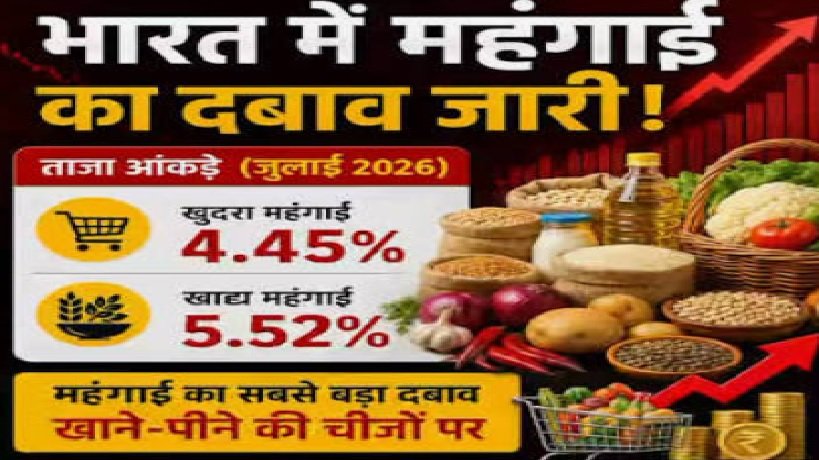
Controlling the rise in food inflation, driven by various factors, is proving to be a difficult challenge for the government. Prices of fruits and vegetables, as well as sugar, spices, and edible oils, are witnessing an upward trend, while the prices of pulses, rice, wheat, and wheat-based value-added products are also likely to rise. These are all essential daily-use food items that directly impact the budgets of the common people.
When sugar prices surged to an all-time high in August, the government was compelled to take immediate precautionary measures. These measures included the decision to allow duty-free import of 10 lakh tonnes of raw sugar and a significant reduction in stock limits for dealers.
While government efforts led to some easing in sugar prices, retail market rates remain well above normal levels. Edible oil prices have remained high for a prolonged period, and there were fears of further spikes during the peak festive months of October and November.
In response, the government reduced import duties on palm oil, soybean oil, and sunflower oil by 5 and 10 percentage points, respectively, effective September 24, 2026. Edible oil companies have been directed to pass the direct benefit of this duty reduction on to common consumers.
Sowing for Kharif crops has concluded. While the acreage for some crops has increased, it has decreased for others. However, the real issue is the weak monsoon, which threatens to adversely affect paddy, pulse, and oilseed crops in several key producing regions.
Furthermore, there are concerns that the impact of the El Niño weather cycle could persist into the Rabi crop season, potentially affecting the production of wheat, gram (chickpea), lentil, pea, and mustard. This situation would not be good for India because it would carry the risk of rising food inflation.
