
The Monsoon's Reversal
20-Sep-2025 01:30 PM
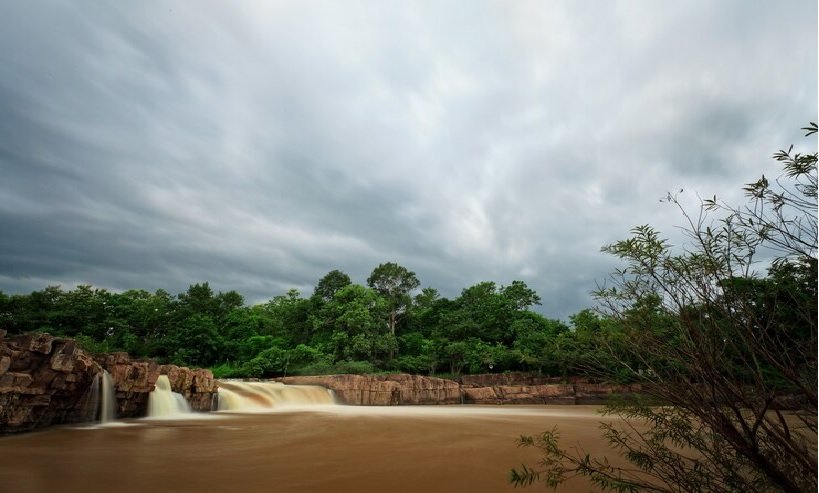
The southwest monsoon arrived across the country about a week ahead of schedule this year, and after mid-July, it continued to rain fiercely in various states.
In August, its intensity, intensity, and mobility reached a peak, leading to severe flooding in many areas. Fields were submerged, and Kharif crops were submerged.
Rivers witnessed significant flooding. The water level in dams and reservoirs rose significantly, forcing the gates to be opened, worsening the condition of crops along the water flow.
Torrential rain continued in many areas in September, and the heavy rains in Bihar and Jharkhand in particular over the past few days are creating new problems for crops.
The mountainous states of the northwestern region are already experiencing a torrential downpour, where numerous cloudbursts have already occurred. The southwest monsoon is now retreating.
Just as it arrived prematurely, it is also retreating prematurely. The Meteorological Department had set the date for the monsoon's withdrawal as September 17th, but it began retreating on September 14th.
According to the Meteorological Department, the national rainfall from June 1st to September 18th, 2025, was 108% of the long-term average.
Normally, the monsoon first departs from far western Rajasthan and then returns to other states via other parts of Rajasthan, Punjab, and Gujarat.
This reverse course of the monsoon also causes heavy rainfall in various parts of the country. This time, the monsoon is progressing in its withdrawal, but may face resistance from a large trough coming from the Bay of Bengal.
This convergence is expected to bring heavy rainfall to states like Odisha, Chhattisgarh, Maharashtra, and Madhya Pradesh between September 25th and October 1st.
This means that the monsoon's activity may persist until at least the first week of October, which is likely to impact Kharif crops.