
There is a need to curb the import of pulses to keep the domestic market price stable.
05-Mar-2025 12:20 PM
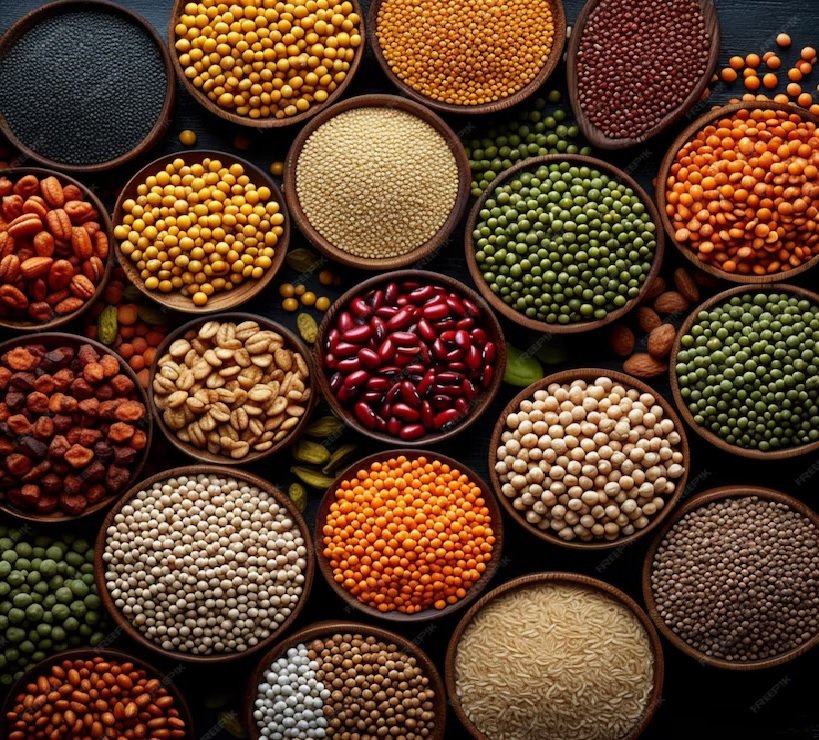
The current situation in the Indian pulse market highlights several key concerns related to the balance between imports and domestic prices. Here are the main issues at play:
Fall in Domestic Pulse Prices Below MSP:
The wholesale prices of various pulses produced in both the Kharif and Rabi seasons have fallen below the Minimum Support Price (MSP). This is creating significant distress for Indian farmers, as the MSP is meant to ensure that they receive a fair price for their produce. For instance, the price of gram has dropped from over Rs 8000 per quintal to below Rs 6000, exacerbating the challenges for growers.Government's Response to Import Concerns:
To combat these price fluctuations, the Indian government has already re-imposed import duties on yellow peas after the duty-free import window ended. There is also a possibility of re-imposing customs duties on other pulses such as lentils, Desi gram, and urad, as the duty-free import period for these pulses is set to end on 31 March 2025. However, no formal notification has been issued yet, leaving uncertainty in the market.Impact of Duty-Free Imports on Prices:
The duty-free imports of pulses have contributed to the reduction in domestic pulse prices. The sheer volume of imported pulses, including substantial imports of gram and lentils from countries like Australia and Canada, has increased supply in the domestic market. This large influx of foreign pulses, while beneficial for meeting demand, has undermined the price stability for domestic pulses and put pressure on farmers' incomes. For example, in 2024, India imported significant quantities of gram (over 10 lakh tonnes), lentils (around 1.5 lakh tonnes), and yellow peas (approximately 30 lakh tonnes).Concerns Over the Future of the Pulse Market:
As more pulses are being imported, particularly from Australia and Canada, the fear is that this could further depress domestic prices, making it difficult for Indian farmers to sell their pulses at a sustainable price. The arrival of new gram in domestic markets could increase price pressure, especially as production in India ramps up in the coming months.
Given these factors, the Indian government is under pressure to take measures that protect both the interests of domestic farmers and the stability of the market. The re-imposition of import duties on pulses like lentils and tur could help manage the situation by reducing the inflow of cheaper imported pulses, stabilizing prices, and ensuring that domestic pulses are given a fair chance in the market.
In the coming weeks, the government’s decisions on the future of these duty-free import periods will be crucial in determining how effectively India can balance the needs of its farmers while ensuring adequate supply of pulses for domestic consumption.