Home News
07-Oct-2026 12:41 PM
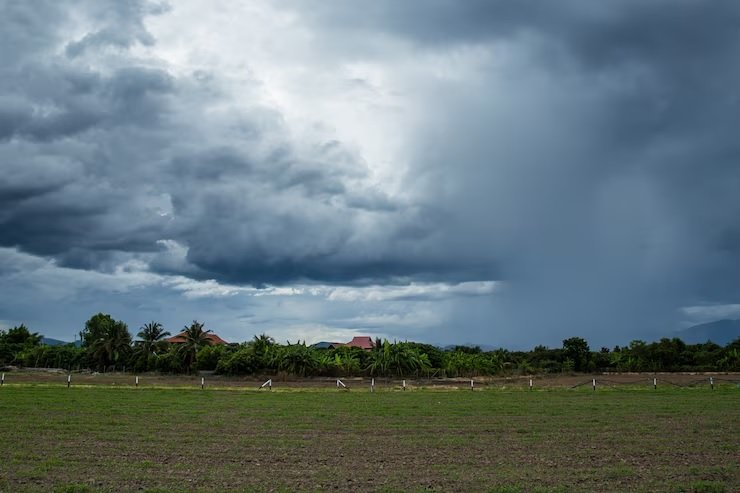
New Delhi. Kharif crop production faces a threat as rainfall during the four-month Southwest Monsoon season (June to September) fell about 13 percent short of the Long Period Average (LPA). According to the India Meteorological Department (IMD), the country has recorded its lowest rainfall in 11 years—specifically since 2015. This monsoon season was the second weakest since 2001 and marked the fourth-lowest rainfall recorded since 1901.
According to the Meteorological Department, the country received a total of 759.4 mm of rainfall between June 1 and September 30, which is 87 percent of the Long Period Average of 868.6 mm. More importantly, the distribution of rainfall was highly uneven; while some regions received good rainfall, others were gripped by severe drought. The condition of Kharif crops in these drought-affected areas is reported to be poor.
Although the area under Kharif cultivation lagged behind last year's figures by approximately 1.2 million hectares, it remained well above the five-year average. Due to rainfall deficiency and adverse weather conditions, there are concerns regarding a decline in average yields and quality for Kharif crops—particularly pulses, oilseeds, paddy, cotton, and sugarcane—in states such as Maharashtra, Karnataka, and Telangana. Sporadic harvesting and preparations for the new crop have begun. In some areas, a lack of soil moisture could hinder the sowing of Rabi crops.