
Tur (Pigeon Pea) Markets in Motion: Lower Crop, Rising Demand and Firm Import Prices
06-Feb-2026 03:49 PM
Tur (Pigeon Pea) Markets in Motion: Lower Crop, Rising Demand and Firm Import Prices
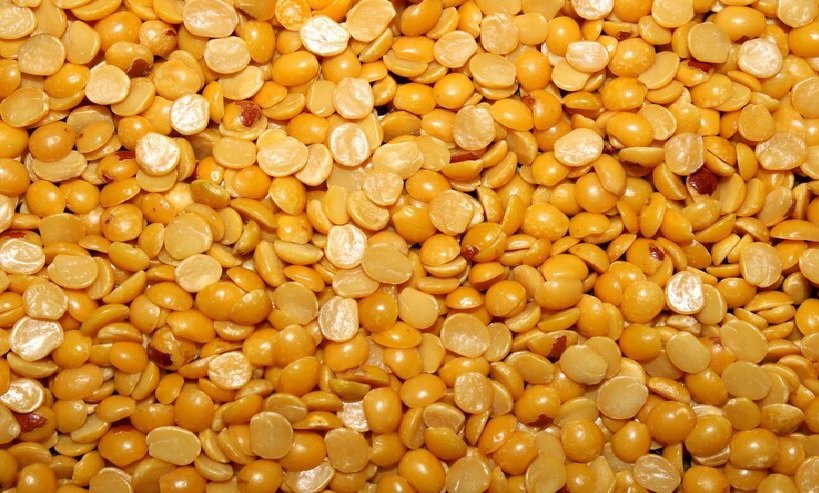
★ The tur (pigeon pea) market in India is currently witnessing strong activity. Lower domestic production, higher import prices and firm demand have altered the overall market direction.
~~~~~~~
Current Stock and Consumption Scenario
★ In the current season, India’s opening stock was around 0.97 million tonnes.
★ With domestic production estimated at 3.0 million tonnes and imports of around 1.3 million tonnes, total availability remains tight against an estimated consumption of 4.6 million tonnes. As a result, carryover stock for the next season may decline to nearly 0.65 million tonnes.
★ In 2024, India imported a record 1.257 million tonnes of tur. During January–December 2025, imports stood at approximately 0.98 million tonnes.
~~~~~~~~
International Scenario
Myanmar
★ The initial production estimate was around 0.35 million tonnes, but due to unfavorable weather conditions, output may decline to nearly 0.30 million tonnes.
★ Continuous Indian demand has pushed Myanmar lemon tur export prices higher. By the end of January, prices rose to $940 per tonne, compared with $760 per tonne in December 2025, $660 per tonne in September 2025, and around $820 per tonne in February 2025 last year.
~~~~~~
Africa
★ Last season’s production was initially estimated at 1.3 million tonnes, but actual output dropped to around 0.9 million tonnes. The new African crop is expected to arrive in the market from August 2026.
★ Due to lower global production, Indian imports may increase between January and April. The new Myanmar crop is expected to start arriving at Indian ports by the end of February.
~~~~~~~~
Domestic Market Situation
★ Until December 2025, local prices were trading below the MSP of ₹8,000 per quintal. From mid-January onwards, prices crossed the MSP level.
★ Currently, tur is trading in the range of ₹8,000–8,500 per quintal. Between September and January, prices increased by ₹1,750–2,000 per quintal.
★ Higher export prices have directly influenced the Indian market.
~~~~~~~~
Outlook
★ With lower Indian production and no fresh African supply expected before August 2026, Myanmar exporters may continue to maintain firm price levels.
★ In the coming months, increased imports could bring some short-term correction in prices. Government procurement at MSP may also help keep prices within a certain range.
★ However, once Indian and Myanmar arrivals stabilize and before African supplies enter the market, another phase of price firmness may emerge unless there is any major change in import policy.
★ Overall, the tur market currently appears fundamentally strong. Lower production, steady demand, and limited global supply are supporting prices. While short-term volatility is possible, long-term trends will largely depend on the supply–demand balance.
Disclaimer
This report is based on available market data and trade estimates. Production and price figures are subject to change over time. Readers are advised to consult trade experts or financial advisors before making any trading or investment decisions.