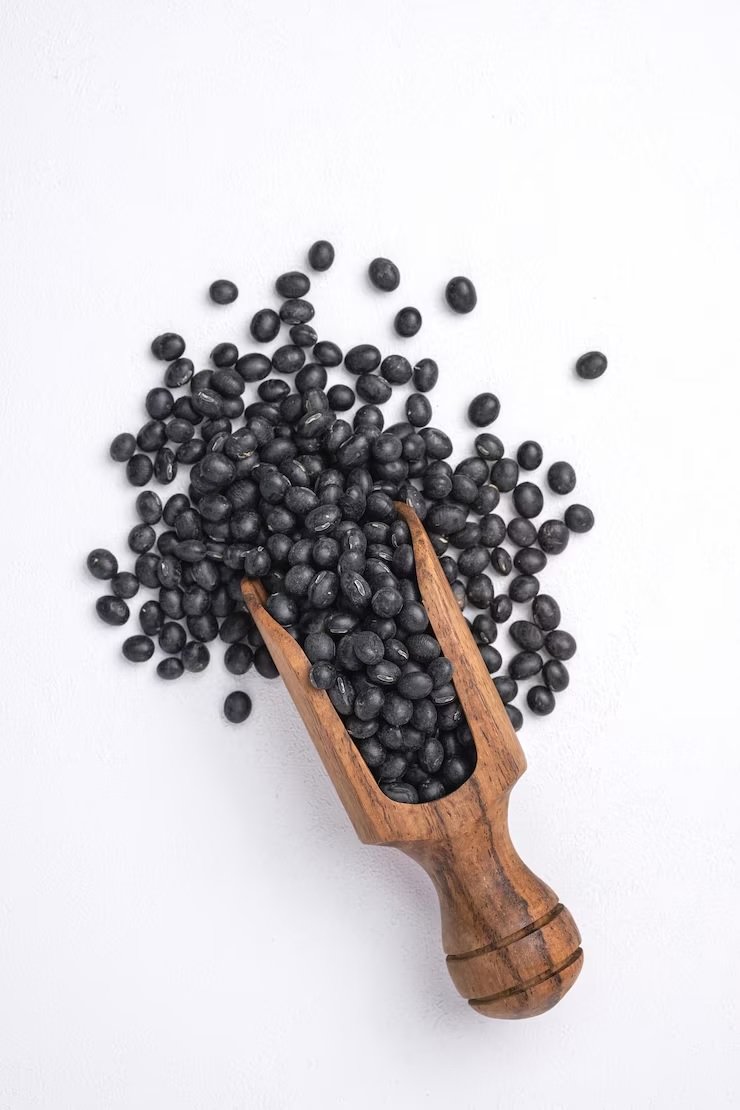
Urad prices decline this week amid weak demand and increased selling; potential support expected from festive demand ahead
Chennai. Urad prices in the domestic market trended downward this week due to mounting selling pressure and sluggish demand from pulse mills. Market sentiment remains weak, driven by persistent selling from stockists and limited procurement by pulse mills. Currently, pulse mills are purchasing only what is necessary for their immediate requirements, which has failed to provide adequate support to prices. Sporadic arrivals of new-season Urad have begun in the Saharanpur region, suggesting an increase in domestic supply in the coming days. Provided weather conditions remain favorable, arrivals of domestic Urad from major producing states are also expected to gradually rise. Furthermore, an anticipated increase in the availability of imported Urad this month could further intensify supply-side pressure in the domestic market. Given these circumstances, the likelihood of a significant surge in Urad prices in the near term appears limited. If stockists continue to sell and procurement by pulse mills does not improve, current price levels may soften further. However, demand for Urad is expected to remain robust over the next two months, driven by the upcoming festive season. Last week, prices had risen due to festive demand and concerns regarding potential crop damage caused by adverse weather in key producing regions. Future price trends will now depend on these factors.
Due to increased selling pressure from importers and weakened buying interest, Urad prices in Chennai fell by Rs 150 per quintal this week. Following this decline, prices stood at Rs 9,500 per quintal for FAQ (Fair Average Quality) and Rs 9,900 per quintal for SQ (Special Quality). Due to increased selling by exporters and weakening export demand, prices for Burmese Urad (black gram) fell by $30 per tonne for both FAQ and SQ varieties this week. By the end of the week, the prices stood at $930 per tonne for FAQ and $1,010 per tonne for SQ.
Delhi
Reflecting the decline at the ports and sluggish demand, Urad prices in Delhi dropped by ₹250–₹300 per quintal this week. By the weekend, prices were ₹9,900 per quintal for FAQ and ₹10,200 per quintal for SQ.
Madhya Pradesh
Increased availability in producing markets and weak buying interest led to a decline of ₹200–₹300 per quintal in Urad prices across Madhya Pradesh this week. By the weekend, prices were as follows: ₹5,000–₹9,000 in Jabalpur, ₹5,500–₹9,000 in Kareli, ₹5,000–₹9,300 in Damoh, ₹5,000–₹7,500 in Ashoknagar, ₹4,500–₹8,000 in Ganjbasoda, and ₹6,500–₹9,500 per quintal in Indore.
Maharashtra
Due to weak buying interest, Urad prices in Maharashtra fell by ₹100–₹200 per quintal this week. By the weekend, prices stood at ₹10,300 in Akola, ₹8,000–₹10,300 in Latur, ₹7,800–₹9,700 in Jalgaon, ₹8,700–₹9,500 in Barshi, and ₹7,000–₹10,000 per quintal in Ahmednagar.
Others
Due to a broad-based decline and weak buying interest, prices of Urad (black gram) in Krishna District and Vijayawada fell by ₹100–200 per quintal this week. By the end of the week, prices stood at ₹9,700 per quintal in Krishna District and ₹10,000 per quintal in Vijayawada. Similarly, prices of Urad from Rajasthan also saw a decline of ₹200–300 per quintal this week; by the weekend, prices were ₹8,200–9,200 per quintal in Jaipur and ₹6,000–8,800 per quintal in Kota.
Urad Dal (Split Black Gram)
Reflecting the decline in Urad prices and sluggish demand, the prices of Urad Dal fell by ₹150–300 per quintal this week. By the end of the week, prices were ₹11,400–12,400 per quintal in Delhi, ₹11,200–12,600 per quintal in Bhatapara, ₹12,900 per quintal in Jalgaon, ₹10,200–11,200 per quintal in Meerut, and ₹11,300–12,600 per quintal in Vijayawada.