Home News
22-Oct-2026 05:52 PM
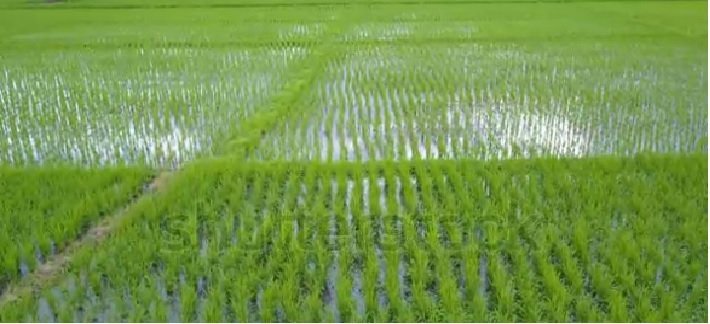
Chennai: The intensification of the Northeast Monsoon in Tamil Nadu, the southernmost state of the country, has brought widespread heavy rainfall. This has resulted in waterlogging in agricultural fields, as well as an increase in water levels in several dams and reservoirs. The impact on Kharif crops is expected to be mixed; while fields in low-lying areas have become submerged—raising concerns about potential crop damage—crops sown late in regions that received less intense rainfall are likely to benefit. In Tamil Nadu, preparations for the harvest of Kharif-season paddy have been underway since mid-September.
Various parts of Tamil Nadu have been experiencing intermittent heavy rainfall over the past few days. Although the state received less-than-average rainfall during the Southwest Monsoon, the Northeast Monsoon is currently in full swing. Crucially, water levels in dams and reservoirs—which had previously dropped due to a rainfall deficit—are now rising again. This is expected to be highly beneficial for the irrigation of Rabi-season crops.
Heavy rainfall across Tamil Nadu—including in the capital, Chennai, its surrounding areas, and the southern districts—has disrupted daily life. The downpour has extended as far as the Kanyakumari district, with some areas facing flood-like conditions. Meanwhile, rainfall in higher-altitude regions is expected to prove advantageous for plantation crops.
It is worth noting that Tamil Nadu also sees significant paddy cultivation during the Rabi season. If the current spell of rain continues, the soil will retain sufficient moisture, which will assist farmers in the transplanting of paddy.
The Northeast Monsoon is typically active from October to December. This year, the Southwest Monsoon withdrew from the country on October 15, and the Northeast Monsoon became active on October 16. Good rainfall is also anticipated in other southern states.