
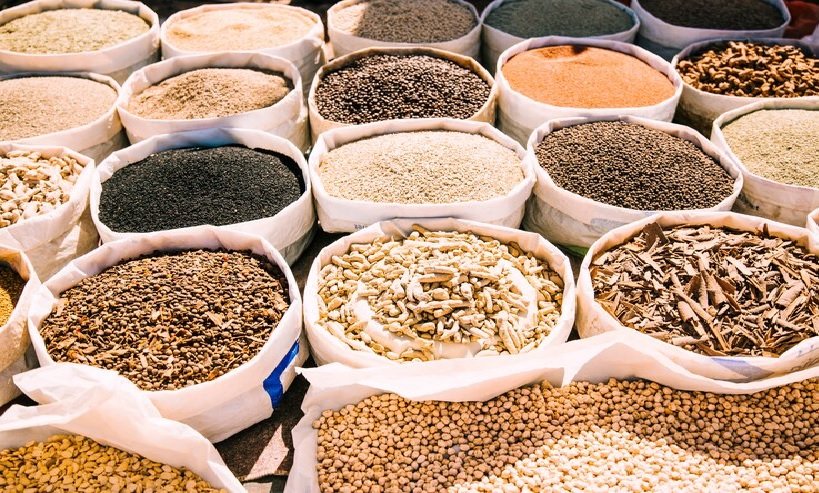
The post-festive season marks a significant shift for farmers, as they return to their fields to intensify the harvesting and preparation of Kharif crops. As you mentioned, the pace of harvesting is picking up and is expected to gain further momentum in the coming weeks. This surge in activity will likely lead to increased supply of various agricultural products in key markets, especially in major producing states.
Key Points:
Kharif Crop Harvesting:
The harvesting of Kharif crops, which includes crops like paddy, soybean, groundnut, urad, moong, maize, sorghum, millet, and cotton, is gaining speed across northern and northwestern states such as Punjab, Haryana, Uttar Pradesh, Rajasthan, Madhya Pradesh, and Gujarat. These states experience earlier harvesting due to early sowing and shorter crop cycles. October and November are crucial months for the peak supply of these crops in markets.Price Fluctuations:
The increase in supply is likely to create pressure on prices, especially as government and commercial purchases ramp up. Interestingly, the prices of some crops, like soybean, have already fallen below the minimum support price (MSP), indicating market imbalances or a surplus of supply. The government may need to intervene to stabilize prices or procure crops at MSP to support farmers.Impact of Monsoon:
The southwest monsoon has played a crucial role in the success of Kharif crops, with abundant rainfall benefiting most regions. However, some areas have experienced adverse weather conditions, including heavy rains and floods, which have caused localized crop damage. Despite this, the overall outlook for Kharif crops remains positive, with expectations of increased production.Rabi Crop Sowing:
The sowing of Rabi crops, which includes wheat, barley, and various pulses, is also beginning during this period. The success of Kharif crop harvesting is vital to the timely sowing of Rabi crops, as farmers typically rely on the resources (such as funds, labor, and land) from Kharif crop sales to invest in Rabi sowing.Tuvar (Pigeon Pea):
The arrival of Tuvar is expected to begin next month, with imports continuing to meet demand. An increase in domestic production of Tuvar is anticipated, which may help alleviate any supply shortages and increase stock levels.
Conclusion:
The increase in Kharif crop supply is likely to create market dynamics that will influence both prices and procurement strategies. While the government will need to monitor MSP levels and manage stock levels, the focus on harvesting and the transition to Rabi sowing will shape the agricultural landscape in the coming months. If the monsoon continues to favor the crops and the weather stabilizes, the agricultural sector is poised for a strong post-festive recovery.