
News Capsule: Former Additional Managing Director of NAFED, Sunil Kumar Singh, shared key insights on the current situation in an interaction with a media channel:
24-Apr-2026 02:23 PM
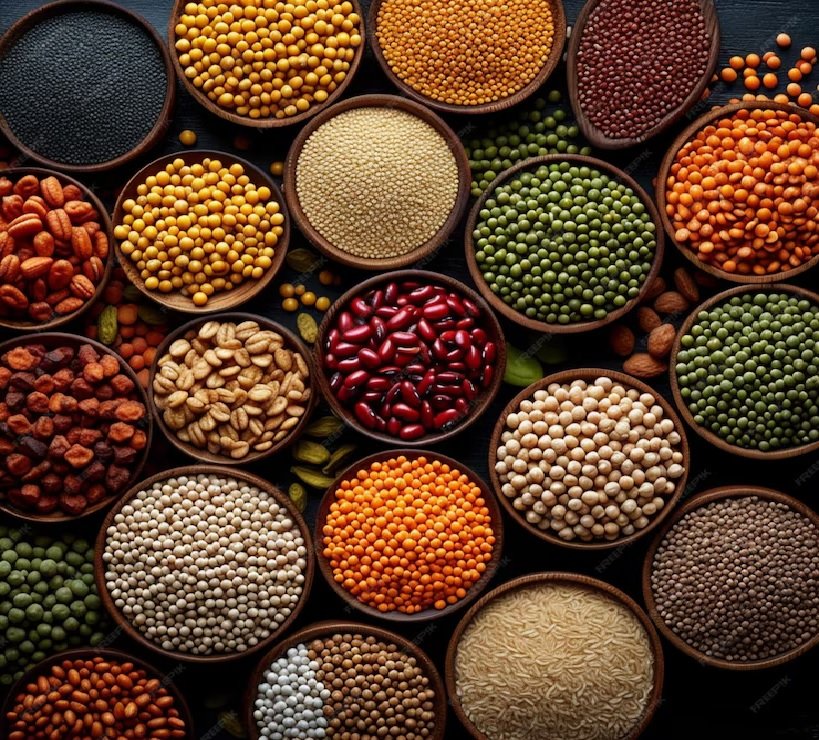
News Capsule: Former Additional Managing Director of NAFED, Sunil Kumar Singh, shared key insights on the current situation in an interaction with a media channel:
★ Due to the ongoing war, the global situation remains uncertain. The Indian rupee has weakened to around 95 against the US dollar, and it may depreciate further if the conflict continues.
★ A weaker rupee will make imports more expensive, increasing overall import costs and, in some cases, could also lead to higher import volumes.
★ If El Niño becomes active, it could create additional challenges for the agriculture sector.
★ The government has already ensured adequate availability of fertilizers and seeds for farmers.
★ Most pulse crops in India are grown in rain-fed areas. If farmers need to rely on electricity or diesel pumps for irrigation, the cost of cultivation may increase.
★ During 2014–15, when pulse production declined, NAFED and the government built buffer stocks, which helped stabilize prices and support consumers.
★ Currently, NAFED along with NCCF has procured around 1.5 million tonnes of pulses, with total buffer stocks reaching करीब 4 million tonnes.
★ If the situation worsens, these buffer stocks can be released to control prices.
★ He noted that a situation like 2014–15 and 2015–16 is less likely this time, as the government is more proactive.
★ However, if El Niño remains strong, its impact may be felt over a longer period.
★ Any disruption in rainfall patterns, prolonged war, further depreciation of the rupee, or supply issues in inputs like urea could lead to a mild upward trend in pulse prices from current levels.