
Basmati rice business improves due to strong demand from domestic and foreign buyers
10-May-2025 01:51 PM
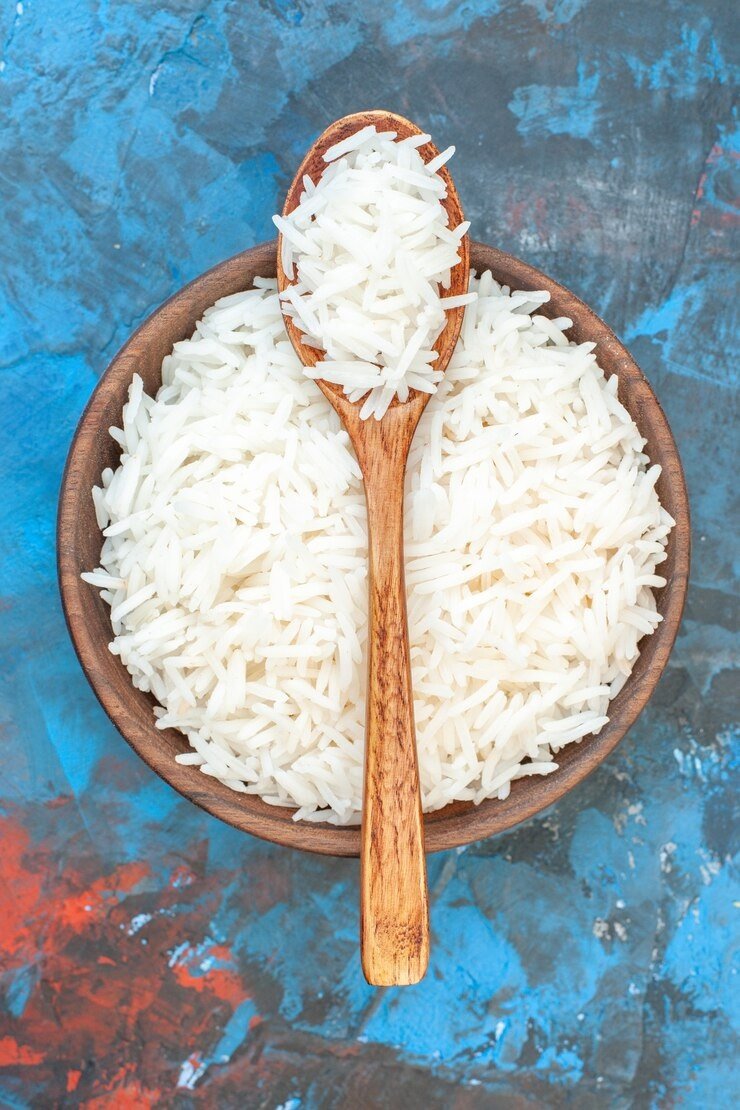
New Delhi. Amid the ongoing conflict between India and Pakistan, both domestic and international buyers are showing increased interest in Indian Basmati rice.
While the supply and availability of Basmati rice remain stable, its price has risen by around 10 percent over the past two weeks, signaling strong demand.
For the past few months, Basmati rice prices had been steady or soft, but now, due to rising imports from West Asian countries, business activity is picking up.
Basmati rice is grown exclusively in India and Pakistan and is exported from both countries. With the current heightened tensions between the two nations, Gulf countries fear that further escalation could disrupt Basmati rice shipments.
As a result, importers are moving quickly to secure contracts with Indian suppliers. Pakistan reportedly has limited stock and higher export risks, prompting buyers to focus more on India.
Recently, the wholesale price of 1509 Basmati rice (sella variety) rose from Rs 5300 to Rs 5900 per quintal, and the steam variety increased from Rs 6200–6300 to Rs 6900 per quintal.
Consequently, the retail market price for sella Basmati reached Rs 75 per kg, and steam Basmati rose to Rs 80 per kg. Steam rice is commonly used in biryani.
Trade analysts report that export offer prices for Basmati rice have also climbed by 8–10 percent in the past fortnight. Middle Eastern countries expect further price increases, and are boosting purchases from India.
Key buyers include Saudi Arabia, Iran, and Yemen. In addition, importers from other countries, including the United States, are also showing significant interest. U.S. buyers are reportedly concerned about a potential increase in import duties on Basmati rice.
India accounts for over 70 percent of the global Basmati rice export market. Therefore, even a minor disruption in Indian exports could trigger a sharp rise in global prices.