
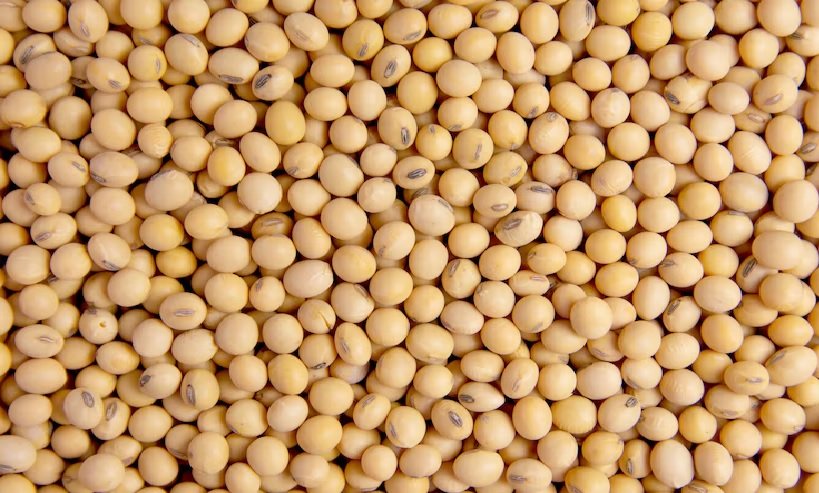
The situation described indicates a notable shift in soybean and soymeal availability in India, driven by reductions in both the outstanding stock and potential imports. Here's a summary of the key points:
Soybean Availability:
- Domestic Production: Expected to rise from 118.74 lakh tonnes in the 2023-24 season to 125.82 lakh tonnes in 2024-25.
- Outstanding Stock: Reduced significantly from 24.07 lakh tonnes to 8.94 lakh tonnes.
- Imports: Projected to fall sharply from 6.25 lakh tonnes to just 30,000 tonnes.
- Total Soybean Availability: Due to these factors, total availability is expected to decrease from 149.06 lakh tonnes to 137.76 lakh tonnes.
Despite this drop in total availability, some key measures are in place:
- Reserves: SOPA has advised keeping 13 lakh tonnes of soybean in reserve for sowing next season.
- Domestic Use and Exports: 5 lakh tonnes will be used domestically, and 15,000 tonnes will be exported. The majority (115 lakh tonnes) will go for crushing and processing.
- Surplus: There is a projected surplus of 4.61 lakh tonnes by the end of the marketing season.
Soymeal Availability:
- Production and Imports: 90.75 lakh tonnes are expected to be produced, with 25,000 tonnes imported, leading to a total availability of 92.33 lakh tonnes.
- Domestic Use and Exports:
- 15.50 lakh tonnes of soymeal are expected to be exported.
- 8.50 lakh tonnes will be used for food purposes.
- 66 lakh tonnes will be used for feed manufacturing.
- Surplus: A surplus of 2.33 lakh tonnes of soymeal is projected by the end of the season.
Export Impact:
- Soymeal exports in the previous year had surged to 22.75 lakh tonnes, significantly higher than the current expectation of 15.50 lakh tonnes for 2024-25. This indicates a slight decrease in demand or market conditions affecting exports.
Key Implications:
- Soybean Shortage: While production is up, the drop in stock and imports could still result in tighter domestic availability, especially for crushing and processing.
- Soymeal Exports: The reduced export expectations for soymeal may impact foreign trade dynamics, but the domestic use in food and feed will likely stabilize demand.
- Imports from Abroad: If the domestic production and reserves aren't sufficient, imports of soybean may increase, particularly in response to higher global production.
Overall, this reduction in stocks and imports may lead to a higher dependency on international markets for soybean and soymeal to meet both domestic and export needs.