
Favourable weather is necessary for better production of wheat
04-Dec-2024 07:01 PM
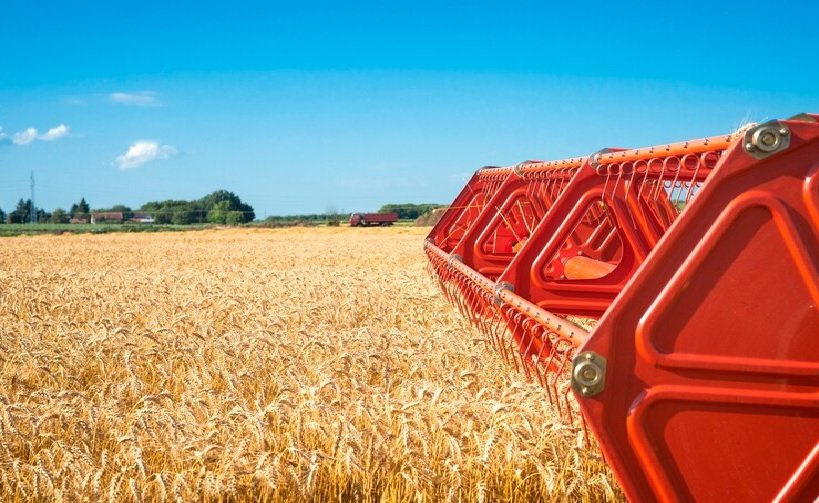
The favorable weather is crucial for a successful wheat harvest, and for the current Rabi season, while the sowing area has increased by about 12.38% compared to last year, concerns over the weather conditions are rising.
The wheat sowing area has reached 200.40 lakh hectares, which is above the five-year average of 312.35 lakh hectares for the same period, reflecting a satisfactory sowing situation.
However, the higher-than-normal temperatures in October and November in key wheat-producing states like Punjab, Haryana, Uttar Pradesh, and Rajasthan have caused challenges for farmers. The heat not only made sowing difficult but also impacted the germination of seeds.
Furthermore, the Indian Meteorological Department (IMD) has forecasted above-normal temperatures for the winter months (December to February), which could hinder the wheat crop's growth. This, combined with the possibility of fog and mist, might affect both wheat and mustard crops.
Additionally, the government's recent increase in the Minimum Support Price (MSP) of wheat from Rs 2275 to Rs 2425 per quintal is expected to benefit farmers, particularly in states like Punjab, Haryana, Madhya Pradesh, Uttar Pradesh, and Rajasthan, which are major contributors to wheat procurement for the central pool.
Despite the MSP boost, the weather challenges, including high temperatures during critical phases of crop growth, may negatively impact the maturity and overall yield of the wheat crop.
In summary, while the sowing area looks promising, adverse weather conditions such as high temperatures and reduced moisture content, coupled with forecasts of above-normal winter temperatures, pose risks to wheat production.