
Future of Tuvar
31-May-2025 11:23 AM
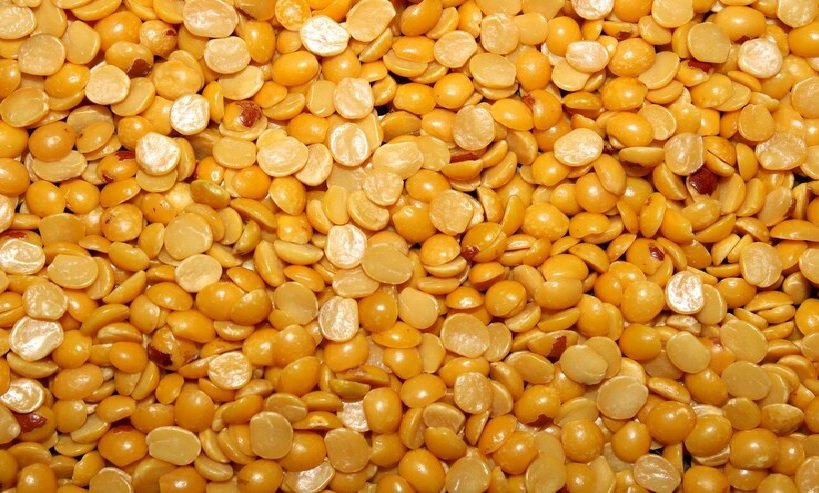
The sowing period for Arhar (Tuvar), the most important pulse crop of the Kharif season, is approaching, and various estimates are being made regarding its sowing area and production for the 2025–26 season.
Some experts anticipate an increase in the sowing area due to the government's decision to raise the minimum support price by Rs 450—from Rs 7550 to Rs 8000 per quintal—and the announcement to procure 100 percent of the surplus stock from farmers at this rate.
Additionally, there are positive early signs of a favorable southwest monsoon this year, with heavy rainfall already reported in major producing states like Maharashtra and Karnataka. The weather has also turned suitable for sowing in Madhya Pradesh, Gujarat, Telangana, and Andhra Pradesh.
This year, the farmers’ response and interest will be key factors in determining whether the sowing area expands.
During the 2024–25 marketing season, as soon as market prices of tur fell below the minimum support price, the government began aggressive procurement, buying over 5.60 lakh tonnes, which offered relief to farmers in leading producing states.
The sowing area for tur rose from 41 lakh hectares in 2023–24 to 43 lakh hectares in the 2024–25 Kharif season. The Union Agriculture Ministry estimates production increased from 34.20 lakh tonnes to 35.60 lakh tonnes during this time, while industry sources estimate an even higher output of 37–38 lakh tonnes. For the 2025–26 season,
domestic production of tur is expected to rise further to 40 lakh tonnes. Good quality, high-yielding tur seeds are being supplied to farmers.
Generally, tur sowing begins in mid-June in Maharashtra and most parts of the country, though it starts slightly earlier in Karnataka. However, continuous rainfall has led to waterlogging and excess soil moisture in some areas, delaying the sowing process.
It is generally believed that the sowing area will remain close to last year’s, but overall production may rise if weather conditions enhance the yield rate.
One concern for farmers is the government’s decision to extend duty-free imports of tur until 31 March 2026. This will likely keep imports from Myanmar and African countries flowing, putting downward pressure on prices for domestic tur.
For the past two years, farmers benefited from tur prices being well above the support price, but that scenario appears to have shifted.
Given that crops like maize and sugarcane are offering higher returns, a shift in cropping preference away from pigeon pea is possible. As a result, a sharp increase in tur’s sowing area and production seems unlikely.