
Impact of Reduced Supplies from Russia and Ukraine on the Global Wheat Market
10-Sep-2026 07:47 PM
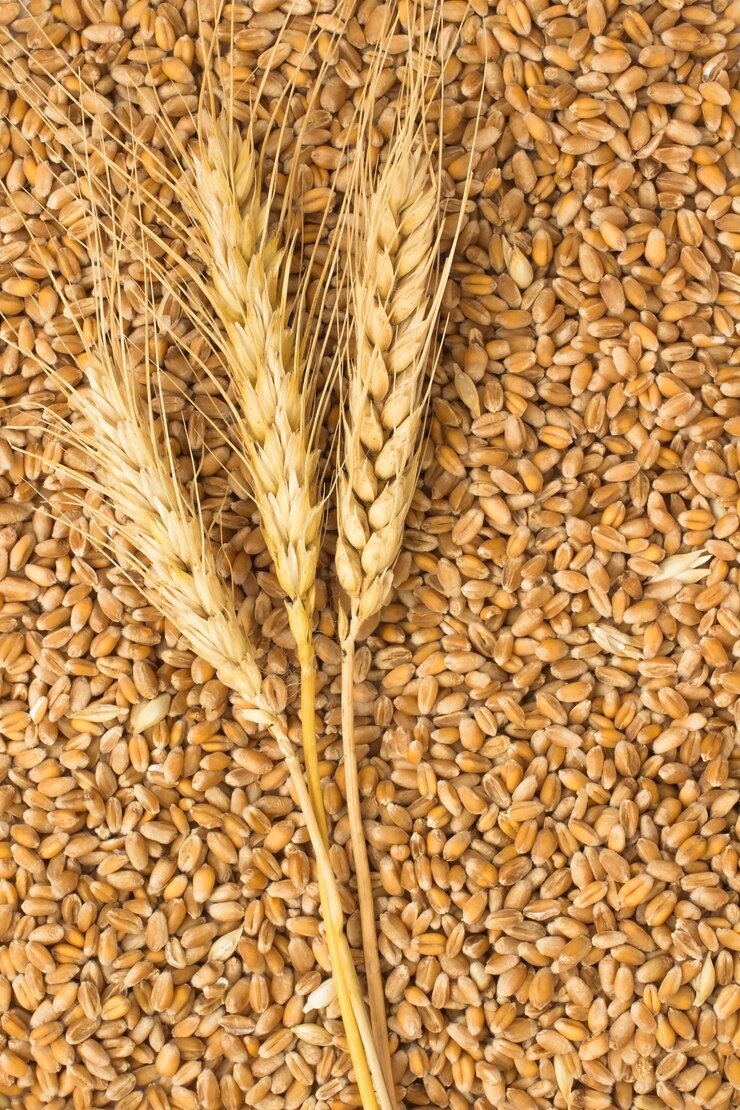
Paris. Although the war between Russia and Ukraine has been ongoing since February 2022, its intensity has escalated significantly. Both nations are launching fierce attacks on each other's ports and commercial vessels, causing export shipments of agricultural products—including wheat—via Black Sea routes to stall. It is worth noting that Russia is the world's leading wheat exporter and the third-largest producer, while Ukraine also exports vast quantities of wheat.
Following the outbreak of the Russia-Ukraine war, spring wheat futures prices surged to a peak of $14 per bushel but subsequently fell just as rapidly over the next three years, dropping to $5.45 per bushel by October 2025.
Limited volatility was observed in wheat futures prices during the first half of 2026, but a new phase of strengthening began in July. The market finally grasped the severity of the shipment disruptions in the Black Sea, triggering heightened market activity. Within a single week, wheat futures prices jumped by 60 cents per bushel. Currently, prices are hovering between $7.65 and $7.75 per bushel.
Analysts suggest that the rise in wheat prices is not solely due to reduced shipments from Russia and Ukraine; other factors are also at play. Adverse weather conditions are expected to reduce wheat production this year in countries such as the US, Canada, Australia, France, Germany, and Argentina. Global wheat production forecasts are being significantly slashed, raising concerns among importing nations. Russia and Ukraine possess vast exportable stocks of wheat; however, until the situation in the Black Sea region normalizes, a crisis regarding wheat supply and availability in the global market could persist.