
Late sowing of wheat likely to reduce yield rate
04-Dec-2024 10:36 AM
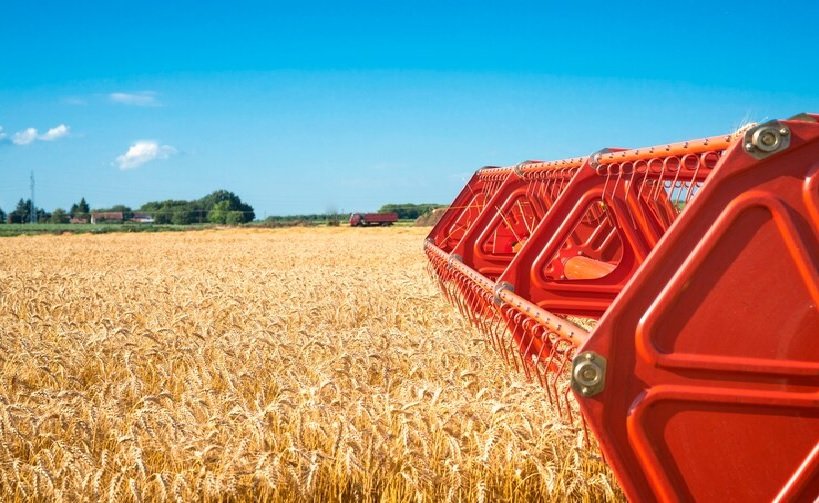
The delay in sowing wheat in Punjab is a significant concern for farmers, as it is likely to impact the yield rate of the crop. Punjab, being the largest contributor to India's food grain pool, faces challenges due to this delay, which is linked to several factors.
The main reasons for the late sowing are:
Delayed Paddy Harvesting: This year, the harvesting of paddy, another major crop in the region, was delayed. Farmers faced difficulties in selling the paddy crop, resulting in insufficient time for timely sowing of wheat.
Weather Conditions: The heat during October-November was unusually high, preventing the ideal window for wheat sowing. High temperatures also caused premature germination of seeds in some areas, which could negatively impact crop growth.
Irrigation and Soil Moisture Issues: After the paddy crop was harvested, fields were often too dry. Farmers had to arrange for irrigation to restore moisture in the soil before they could sow wheat, causing further delays.
Fog and Moisture Delays: The presence of fog for several days also hampered the sowing process, adding to the difficulty for farmers.
The impact of these delays includes:
Delayed Harvesting and High Temperatures: Wheat will now be harvested later than usual, with the potential for high temperatures in April-May. This could hinder the full development of the crop and affect grain quality, potentially leading to sticky grains.
Reduced Yield: Experts suggest that a one-week delay in sowing can reduce wheat yield by up to 2 quintals per hectare. If the high temperatures persist during the preparation and harvesting stages, there is also a risk of reduced grain weight, further lowering yields.
In conclusion, if the temperature remains high at the time of harvesting, it could exacerbate the yield loss, making this an important issue for both farmers and the agricultural economy in Punjab.
Latest News
- Malaysian CPO Export Duty Set at 10% for May
- मई के लिए मलेशियाई सीपीओ पर 10 प्रतिशत का निर्यात शुल्क नियत
- Domestic Cotton Production Estimated at 324 Lakh Bales
- कपास का घरेलू उत्पादन 324 लाख गांठ होने का अनुमान
- Stock of 1.898 Million Tonnes of Edible Oils Available on April 1
- 1 अप्रैल को 18.98 लाख टन खाद्य तेलों का स्टॉक मौजूद
- No Major Decline Expected in Fennel Prices
- सौंफ कीमतों में अधिक मंदा नहीं
- Centre Asked to Respond on Fixing MSP in Line with Production Costs
- चावल का निर्यात तेजी से बढ़ने पर संदेह कायम