
Likely Increase in Fertilizer Subsidies Due to Costly Imports
05-May-2026 05:55 PM
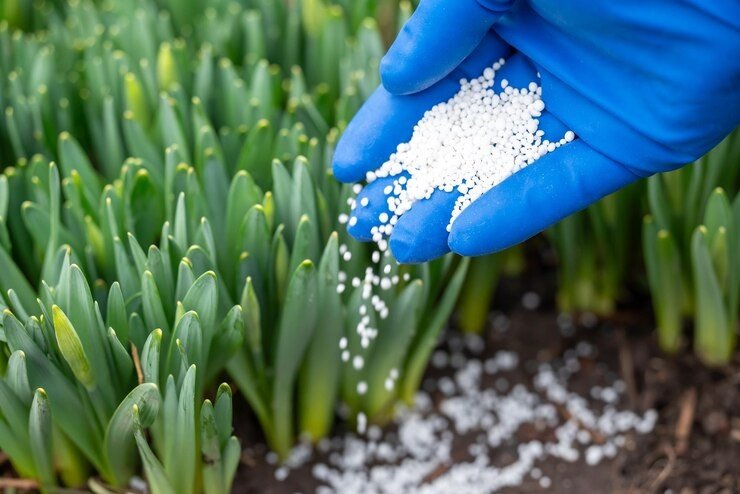
New Delhi.* The Central Government believes that, for various reasons, the import of chemical fertilizers has become expensive, and the production costs for the domestic industry have also risen. Consequently, the subsidy provided on fertilizers is naturally expected to increase.
Following a brief period of calm in West Asia, tensions between Iran and the United States have once again reached a critical level, heightening fears that hostilities could resume at any moment. In the global market, fertilizer prices have surged, and shipping costs have also escalated. Senior officials within the Department of Fertilizers state that, despite the high prices, it remains imperative to continue importing fertilizers on a large scale, as domestic production is insufficient to meet the existing demand and requirements.
According to senior official sources, the government has formulated a plan to import 6.4 million tonnes of Urea and 1.9 million tonnes of Nitrogen, Phosphorus, and Potassium (NPK) fertilizers—at the prevailing high rates in the global market—to meet the requirements for the upcoming Kharif season. Global tenders for the import of these fertilizers are currently being issued.
It is noteworthy that, in the Union Budget, the allocation for fertilizer subsidies for the financial year 2026-27 was estimated at ₹1.71 trillion. This figure was projected in February; however, import costs have since witnessed a drastic surge. The sowing of Kharif crops is set to formally commence next month, making it essential to ensure that adequate stocks of fertilizers are made available to all states by the end of May.