
Maize Production Likely to Decline in Upcoming Kharif Season Due to Various Factors
09-May-2026 12:57 PM
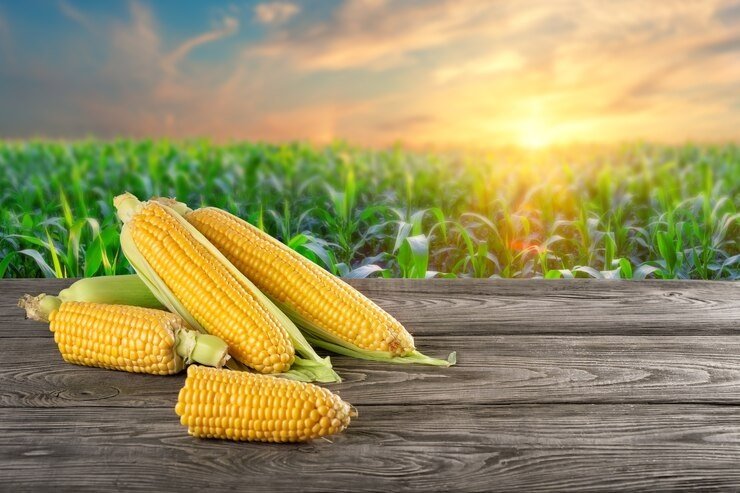
New Delhi: Due to a confluence of factors—including wholesale market prices trading significantly below the Minimum Support Price (MSP), a potentially weak Southwest Monsoon influenced by the El Niño weather cycle, and uncertainty surrounding government policy regarding ethanol—Indian farmers are likely to show diminished enthusiasm and interest in cultivating maize during the upcoming Kharif season. This could lead to a decline in the production of this vital coarse cereal.
Trade analysts believe that a lack of rainfall could depress the average yield rate for maize, while a reduction in the total sown area raises fears of a further decline in overall production. Additionally, a shortage of fertilizers is also anticipated this season. It would come as no surprise if the gross production of maize were to witness a decline of 10–15 percent. Should production prove weak, the country may find it necessary to import either maize or ethanol to achieve the target of blending 20 percent ethanol into petrol.
During the previous Kharif season, there was a significant expansion in the area under maize cultivation; in certain regions, farmers prioritized maize over crops such as soybean and cotton, driven by expectations of increased demand and consumption for ethanol production, as well as hopes for improved market prices. However, persistently low market rates have left farmers deeply disappointed. Conversely, the prices of other major oilseeds—including soybean and groundnut—have witnessed a substantial surge, which is expected to heighten farmers' interest in cultivating these crops. This shift in interest could, in turn, impact the total acreage dedicated to maize cultivation.
According to rough estimates, even if weather conditions remain normal, domestic maize production could still decline by 3 to 4 million tonnes; furthermore, should the impact of El Niño prove severe, production could face an additional shortfall of 2 to 3 million tonnes. Consequently, the supply and availability of maize are likely to remain a complex challenge in the coming months, potentially leading to firming prices.
Over the past few years, significant efforts have been undertaken to promote maize cultivation. Consequently, its domestic production reached 434 lakh tonnes in 2024–25, while it is estimated to approach 500 lakh tonnes in the 2025–26 season. If maize production declines during the 2026–27 Kharif season, the difficulties faced by ethanol manufacturers could intensify.