
Need to increase yield rate for self-sufficiency in pulses
12-Feb-2025 06:08 PM
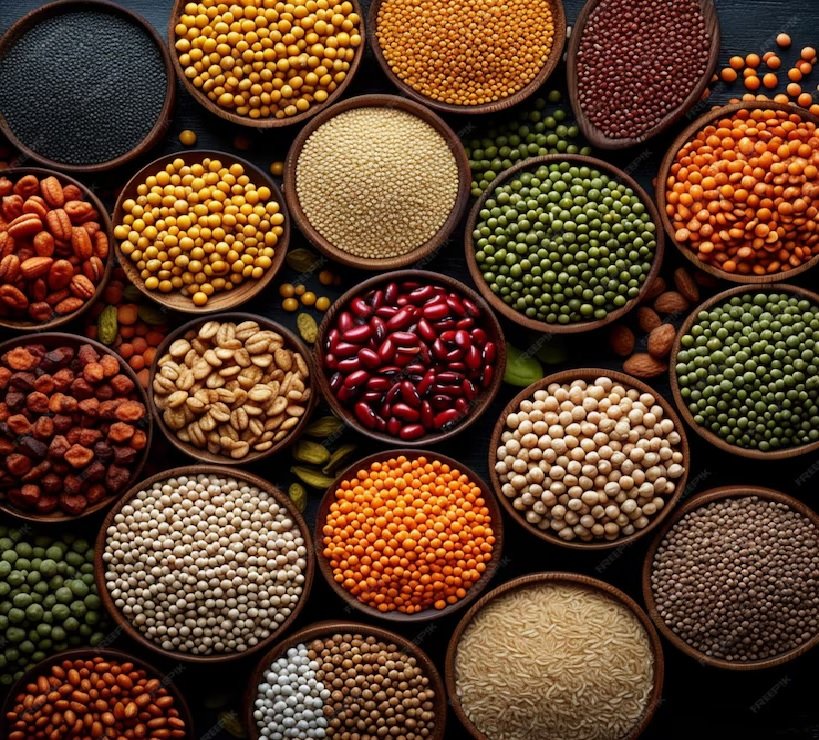
To increase the yield rate of pulses in India and achieve self-sufficiency, several strategies and innovations can be implemented. Since expanding the sowing area might compete with the production of other crops, focusing on improving yield per hectare is crucial. Here are some potential measures to boost yield rates:
1. Adoption of High-Yielding Varieties (HYVs)
- Research & Development: More research is needed to develop and promote high-yielding, drought-resistant, and disease-resistant pulse varieties. India can leverage the advancements made in other countries to create varieties suited to its diverse agro-climatic zones.
- Seed Replacement Program: Encouraging farmers to use high-quality, certified seeds can significantly increase productivity.
2. Improved Farming Practices
- Precision Agriculture: The use of technology such as drones, satellite mapping, and AI to monitor soil health, weather patterns, and water usage can help optimize inputs, reduce wastage, and increase yields.
- Crop Rotation and Intercropping: Pulses should be included in crop rotation and intercropping systems to maintain soil fertility, reduce pest pressure, and improve productivity.
- Water Management: Efficient water management, through the use of techniques like drip irrigation or rainwater harvesting, can help in areas where water scarcity limits pulse production.
3. Soil Health Management
- Soil Testing and Fertilizer Application: Farmers should be encouraged to regularly test soil health and apply the right fertilizers in the right quantities. This ensures that pulses grow in the optimal conditions, leading to higher yields.
- Bio-fertilizers and Organic Farming: Using bio-fertilizers can improve soil structure and nitrogen fixation, enhancing pulse growth.
4. Better Pest and Disease Management
- Integrated Pest Management (IPM): Promoting IPM techniques such as biological control, resistant varieties, and safe pesticide use can reduce crop losses due to pests and diseases, ensuring better yields.
- Training Farmers: Providing training in modern pest and disease management practices can increase productivity and reduce losses.
5. Extension Services and Farmer Education
- Farmer Training Programs: Educating farmers about best practices for pulse cultivation, pest control, and efficient resource use can help improve yields.
- Access to Information: Utilizing digital platforms, mobile apps, and farmer networks can help disseminate crucial information on best practices, new technologies, and weather forecasts.
6. Government Support and Policies
- Subsidies and Financial Support: The government can offer subsidies for inputs like seeds, fertilizers, and irrigation systems, making it easier for farmers to implement best practices.
- Minimum Support Price (MSP): Ensuring a fair MSP for pulses will incentivize farmers to grow more pulses and invest in improving yield.
7. Incentives for Private Sector Involvement
- Public-Private Partnerships (PPP): Encouraging private sector participation in seed production, fertilizer distribution, and technology transfer can help improve the overall productivity of pulses in India.
- Contract Farming: Arrangements like contract farming can assure farmers of a guaranteed market and prices, motivating them to focus on high yields.
8. Climate-Smart Agriculture
- Adaptation to Climate Change: Pulses are sensitive to climate change, particularly in terms of temperature and water availability. Developing climate-resilient farming techniques and varieties is critical for sustained yield improvements.
9. Infrastructure Development
- Storage and Processing Facilities: Adequate storage facilities can reduce post-harvest losses, while processing facilities can help add value to pulses, making them more attractive to farmers and exporters.
10. Increased Investment in Pulse Research
- Focus on Pulses in Agricultural Research: To match the high yield rates seen in other countries like China and Ethiopia, India should invest more in pulse-specific agricultural research. This includes understanding pulse crop behavior, nutrient needs, and ways to improve seed production and distribution.
By implementing these measures, India can enhance its pulse productivity, reduce dependence on imports, and move towards being an exporter of pulses. In the long term, this will also contribute to higher farmer incomes and overall food security.