
Nigella seeding is more in Gujarat - less in Madhya Pradesh and Rajasthan
24-Dec-2024 08:45 PM
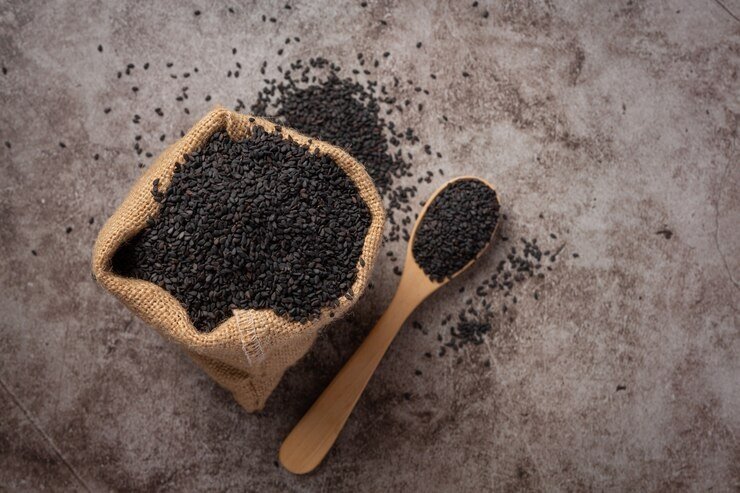
The article provides insights into the current status and outlook of Nigella (also known as Kalonji) in India, particularly focusing on its sowing patterns, production, and pricing trends.
Seeding and Sowing Trends:
- Gujarat has seen a significant increase in Nigella sowing, with estimates indicating a 1.5 times rise in seeding compared to previous years. This is attributed to favorable prices received by producers in the current season.
- In contrast, Madhya Pradesh and Rajasthan are experiencing a decline in sowing by around 20-25%, due to various factors, including reduced profitability or weather conditions.
Production Estimates:
- The total Nigella production in 2023 was around 4 lakh quintals in Gujarat, Rajasthan, and Madhya Pradesh. However, this has drastically reduced to 2 lakh quintals for the 2024 season.
- For 2025, production is expected to improve slightly, with estimates of 2.25 to 2.50 lakh quintals, assuming favorable weather. Specific state-level production in March 2025 is forecasted to be:
- Madhya Pradesh: 1.25 to 1.50 lakh quintals
- Gujarat: 60,000 to 70,000 quintals
- Rajasthan: 30,000 to 40,000 quintals
Pricing Trends:
- The prices of Kalonji have remained higher than last year due to reduced production. For instance, in December 2023, the price in Madhya Pradesh was around Rs 170-175, while in Delhi it was Rs 180-190.
- As of now, prices in Neemuch Mandi are around Rs 180-185, and in Delhi, they are higher at Rs 205-210.
- Despite the production estimates for 2025 showing some increase compared to the previous year, the current prices are expected to remain relatively high due to low outstanding stock, with estimates of stock being 40-50 thousand bags compared to 1.50 to 1.75 lakh bags in previous years.
In summary, while the sowing of Nigella is increasing in Gujarat, it is decreasing in Madhya Pradesh and Rajasthan. The overall production is expected to be lower, maintaining high prices in the market, which are unlikely to see a significant slowdown in the near future.