
Shift from Chilli to Paddy Cultivation in Firozpur, Punjab
14-Jul-2025 11:13 AM
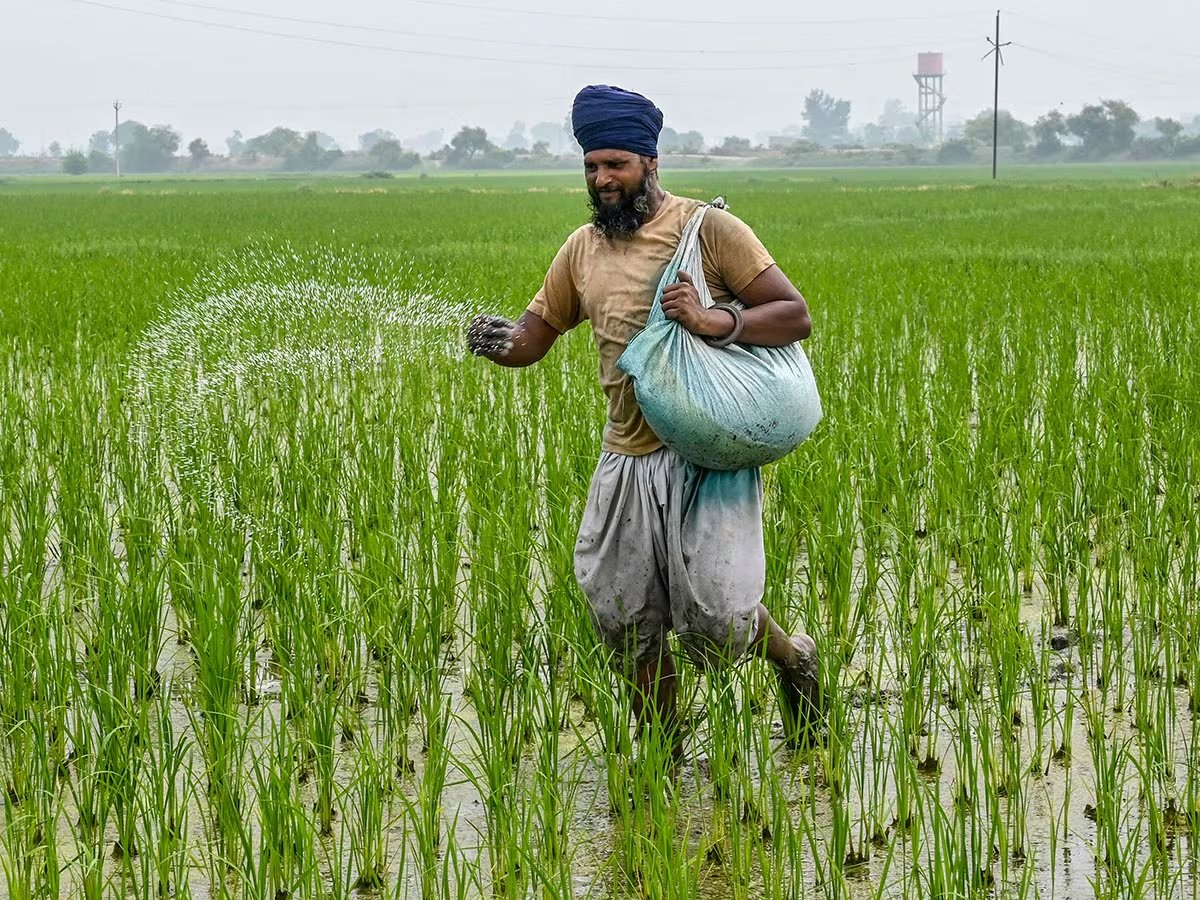
Chandigarh: Farmers in Punjab continue to show strong preference and enthusiasm for paddy cultivation, overshadowing their interest in chilli farming. In Firozpur district, a key chilli-producing region of Punjab, many farmers have recently ploughed over their immature chilli fields and switched to paddy cultivation instead. The primary reasons behind this shift include a lack of buyers and weak market prices for dry red chillies, while paddy offers assured returns due to government procurement at minimum support prices.
Notably, chilli cultivation had seen a sharp rise in the region in recent years. The area under chilli cultivation jumped from just 736 hectares in the 2014–15 season to 2,732 hectares by 2024–25. However, the recently concluded season saw farmers struggling to get profitable prices for their produce, significantly diminishing their interest in this important spice crop. While dry red chilli prices had surged to ₹180 per kg in 2023 and remained relatively high at ₹130 per kg in 2024, they have now plunged to just ₹60–70 per kg this year.
It is important to mention that a chilli cluster project was launched in Firozpur in March 2023. Initially, this initiative received an enthusiastic response from farmers. But as market prices weakened, chilli sowing decreased, and many farmers who had planted the crop ended up replacing it with paddy.
One key setback this season was the failure of Punjab’s chilli to reach the benchmark Guntur market in Andhra Pradesh. Reportedly, the samples sent by traders from Firozpur did not meet the required pesticide residue standards. Guntur, known for its stringent quality checks, also has a substantial local chilli stock, including carry-over stock from the previous season stored in cold storages.
Although chillies from Firozpur are generally known to be free from pesticide residues and have a rich red color—qualities that Guntur traders often value highly—this year, no procurement took place from the region. As a result, local farmers were forced to sell their produce to local traders and Rajasthani grinders at a much lower price of ₹75–80 per kg.