
Spice Crop Sowing in Gujarat Lags Behind Last Year
06-Jan-2026 10:59 AM
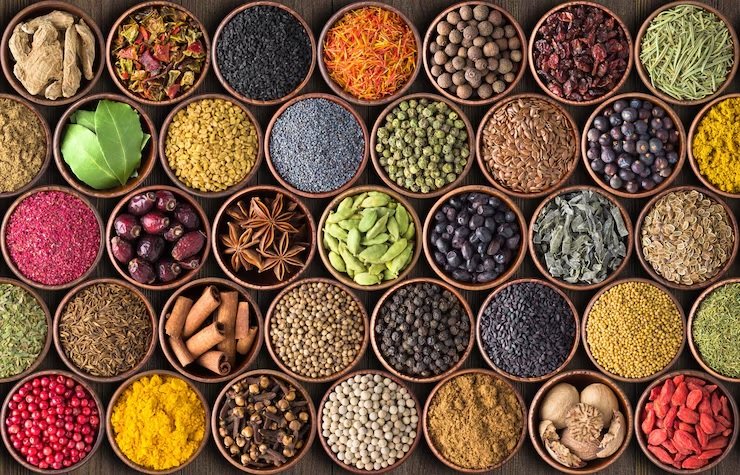
Gandhinagar: Farmers in Gujarat, a leading producer of Rabi season spice crops, are focusing more on cultivating wheat, maize, chickpeas, and mustard this year, resulting in a decline in the area under cultivation for spices like cumin, coriander, and fennel.
Sowing of spice crops in the state is almost complete, so a significant expansion of the area under cultivation is unlikely in the coming days. Typically, spice crops are sown in Gujarat between October and December.
According to trade analysts, weak domestic and global demand during 2025 led to generally soft or stable prices for cumin, coriander, and fennel, and producers did not receive the expected profitable returns. Consequently, farmers' enthusiasm and interest in cultivating spice crops have diminished.
Latest data from the state agriculture department shows that compared to the previous season, the area under cumin cultivation in Gujarat during the current Rabi season, as of January 5, 2026, decreased from 473,615 hectares to 397,649 hectares (a reduction of 75,971 hectares),
the area under coriander cultivation fell from 129,343 hectares to 125,336 hectares (a decrease of 4,007 hectares), and the area under fennel cultivation shrank from 58,105 hectares to 48,042 hectares (a drop of 8,063 hectares).
Similarly, the area under isabgol cultivation also decreased from 27,210 hectares last year to 16,685 hectares this year (a reduction of 10,525 hectares).
Gujarat is a leading producer of these spices, so the decline in the sown area could impact production. However, weather conditions have remained largely satisfactory.
The tenth annual trade conference of the Federation of Indian Spice Stakeholders (FISS) is scheduled to be held in Ahmedabad at the end of February, where production estimates for the above-mentioned spices will be presented. By then, the arrival of the new crop will also have begun.