
Wheat Stock Position Improves, But Quality Concerns Persist
12-May-2026 07:41 PM
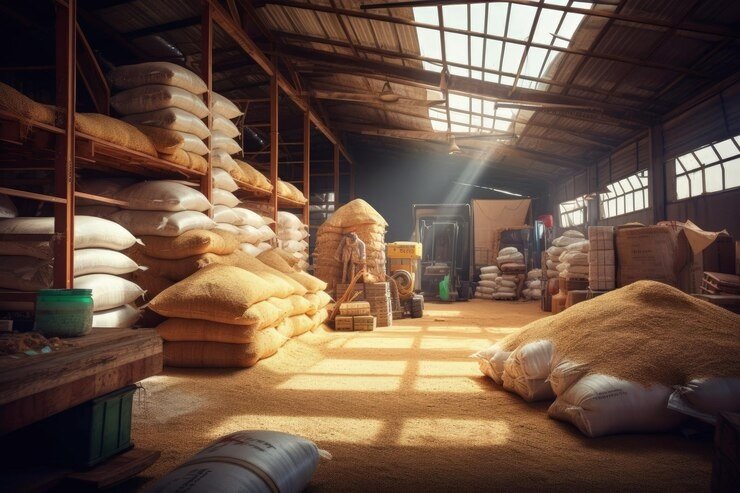
New Delhi. Thanks to a substantial carry-over stock from the previous season and ongoing progress in procurement, wheat stocks in the Central Pool have surged well above the minimum required buffer norms. However, this includes a massive quantity of "URS" (Under Relaxed Specifications) wheat, procured under relaxed quality norms. The government may face significant difficulties in offloading this stock. Supplying wheat characterized by discoloration, lack of luster, and broken or shriveled grains through the Public Distribution System (PDS) and other welfare schemes could trigger controversy and raise serious questions.
This year, the majority of the wheat procured in Punjab, Haryana, and Rajasthan falls under the URS category. This wheat has a shorter shelf life and cannot be safely stored for extended periods. States have been instructed to segregate these URS stocks from wheat of standard quality.
The plan is to sell this wheat within the respective states where it was procured; however, this presents certain practical challenges. Punjab holds 12.1 million tonnes and Haryana holds 8 million tonnes of URS-category wheat, yet it is unlikely that these states can absorb such massive quantities through local consumption alone. Similarly, in Rajasthan, over 1.3 million tonnes of URS-category wheat have been procured.
Although the Union Food Secretary recently stated that flour millers and processors should strive for self-reliance—by procuring maximum quantities of wheat directly from farmers in open markets rather than relying on government stocks—he also indicated that the modalities for selling government-held wheat under the Open Market Sale Scheme (OMSS) could be finalized in July,
following the actual conclusion of the wheat procurement season in June. Given the exceptionally high volume of URS wheat currently held in the Central Pool, the government is likely to prioritize its disposal as quickly as possible. The industry needs to keep a close watch on this situation.