
With the pace of sowing increasing and domestic demand remaining sluggish, the possibility of a sharp rise in cumin is low.
03-Dec-2024 07:26 PM
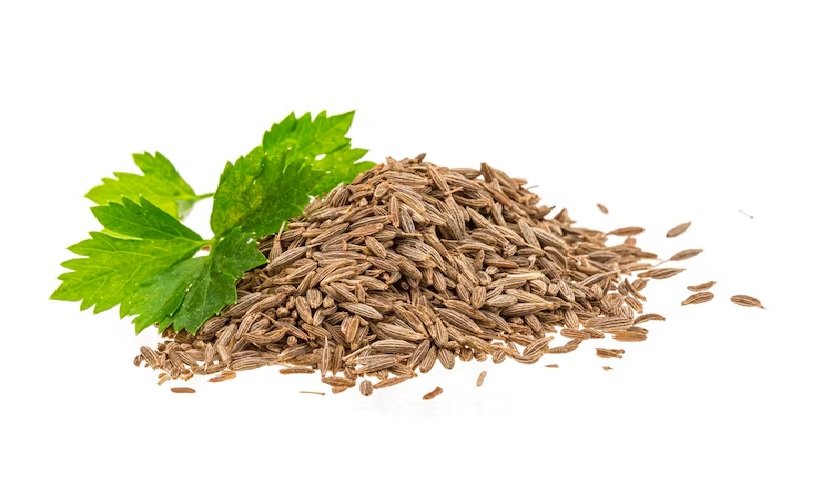
The cumin market is currently experiencing a mixture of increased sowing and sluggish domestic demand. Here's a summary of the key points:
Sowing Activity: The sowing of cumin, which initially slowed in Gujarat and Rajasthan, has picked up pace. In Gujarat, sowing has already surpassed 2 lakh hectares, but it is still unlikely to reach the area sown last year due to lower price incentives.
Domestic Demand: Domestic demand for cumin remains weak, especially in major consumption centers and wholesale markets. However, large producers are selling their stocks more actively due to the higher sowing pace.
Stock and Arrivals: There is sufficient stock to meet both domestic and export demand. In Gujarat's Unjha Mandi, daily arrivals have increased to 18-20 thousand bags. While domestic traders are buying cumin in limited quantities, the demand from exporters is stable.
Global Market Dynamics: The ongoing civil war in Syria has nearly halted cumin exports from the country, while exports from Turkey and Iran are less affected. India, being a safe source, is seeing increased demand from global importers. If there is a strong demand for cumin during Ramadan in Muslim-majority countries, prices could rise slightly.
Production and Forecast: In Gujarat, cumin cultivation has reached 2.11 lakh hectares, but reaching last year's total area seems unlikely due to lower price incentives this season. However, favorable weather conditions for sowing are expected to improve prospects in the coming weeks. New cumin arrivals are expected by February-March next year, and sufficient stock will remain until then.
Outlook: While a sharp rise in cumin prices is unlikely due to slow domestic demand and good stock levels, export demand, particularly linked to Ramadan, could lead to some price increases in the near future.