
According to the Reserve Bank of India, the prices of food grains increased in November.
21-Nov-2024 02:44 PM
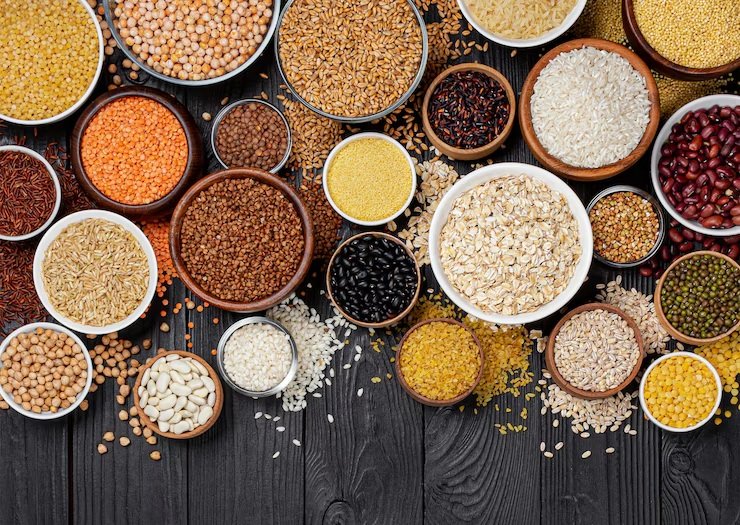
According to the Reserve Bank of India, the prices of food grains increased in November.
The Reserve Bank of India's (RBI) report highlights a significant increase in food grain prices in November, driven by several factors:
Grain Price Increases: The prices of grains, particularly wheat and flour, have risen, pointing to a domestic supply-demand imbalance. This suggests that either supply has been constrained or demand has surged, contributing to the upward price pressure.
Edible Oil Price Surge: The increase in edible oil prices is noteworthy, which could be due to factors both in the international market (such as fluctuations in global supply and demand) and challenges in domestic production. This complex interplay is likely pushing domestic prices higher.
Pulse Prices: Most pulses have seen price increases, but Toor Dal stands out by maintaining price stability. The reasons for Toor Dal's price stability may be tied to factors like favorable harvest conditions, import policies, or stock levels.
Rising Prices in the First Half of November: The RBI mentions that during the first fortnight of November, the rise in prices of wheat, flour, edible oil, and pulses was the major contributor to the overall price increases of food items.
Need for Demand-Supply Balance: Given these price increases, the RBI calls attention to the importance of addressing the demand-supply balance in the domestic market. A more stable balance could help alleviate some of the inflationary pressures on food prices.
In summary, the current rise in food prices, especially in grains, flour, edible oils, and pulses, suggests underlying challenges in domestic supply and production, with international factors also playing a role. The RBI emphasizes the need to address this imbalance to ensure more stability in food prices.