
Kharif Sowing Feared to be Affected Due to Low Urea Stocks
23-Apr-2026 10:31 AM
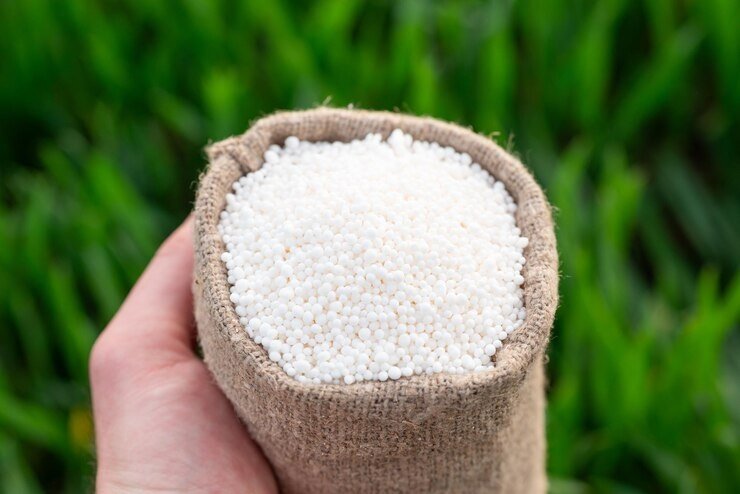
New Delhi. Although the supply and availability of other types of chemical fertilizers in the country are relatively better, the stock of the most critical fertilizer—urea—has dropped to a four-year low. Consequently, there are apprehensions that the sowing and progress of various crops during the upcoming Kharif season could be adversely affected. The sowing of Kharif crops typically commences in June, coinciding with the arrival of the first showers of the Southwest monsoon. Furthermore, pre-monsoon rainfall is also expected to be lower this year.
According to official data, as of April 1, 2026, the country held a urea stock of 54.22 lakh tonnes. This figure represents a decline compared to the 55.96 lakh tonnes available on the same date the previous year. Prior to this, in 2022, the stock had dropped to 47.83 lakh tonnes; that year, the Kharif season witnessed a significant decline in the production of rice (paddy), *tur* (pigeon pea), *urad* (black gram), and several other crops. It is noteworthy that during the 2022 monsoon season, rainfall in the country stood at 106 percent of the long-period average; however, a shortage of fertilizers led to a reduction in both crop yield rates and total agricultural output.
While the stocks of other fertilizers—along with urea—had also depleted significantly in 2022, this year, a pronounced shortage is being felt specifically regarding urea. A second cause for concern pertains to the monsoon rains. Forecasts for the June-September period this year project rainfall at only 92 percent of the long-period average, and water levels in dams and reservoirs have also dropped to significantly low levels.