
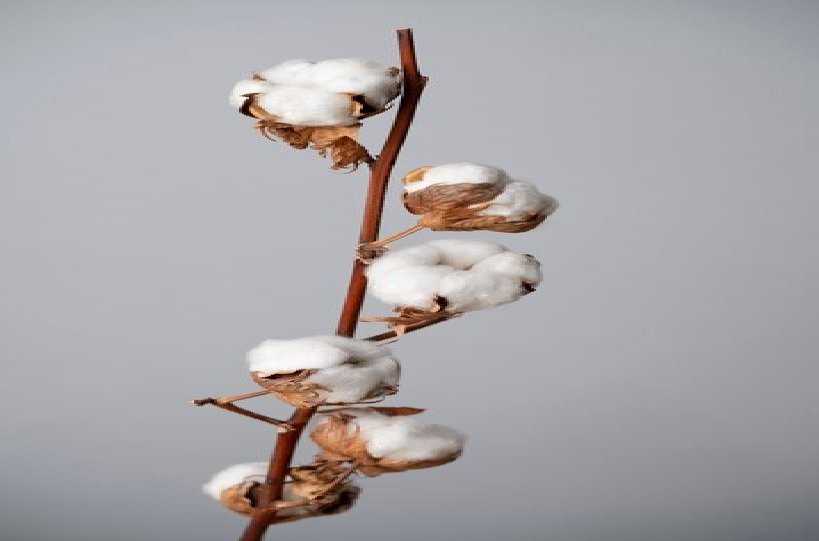
The cotton production in Punjab is facing significant challenges, largely driven by unpredictable weather patterns, increasing pest attacks, and the financial appeal of other crops.
Over the past decade, the area devoted to cotton farming in the state has drastically reduced. High temperatures during the crop's growth period, along with an increasing frequency of insect and disease outbreaks, have contributed to this decline. Moreover, the promise of more profitable crops has led many farmers to abandon cotton farming.
To address these issues, the Department of Agriculture and Farmers Welfare has been running the Cotton Development Program since the 2014-15 financial year. This program aims to boost both the average yield and the overall production of cotton across 15 key cotton-growing states, including Punjab.
Central government support includes regular hikes in the minimum support price for cotton, providing incentives to farmers to increase production. Additionally, the timely supply of water through canals and financial aid during pink bollworm infestations are part of the efforts to support the sector. The government also offers subsidies on cotton seeds.
Training programs by the Indian Council of Agricultural Research (ICAR) provide farmers with best practices for managing diseases and pests, with on-field guidance to help them adopt more effective agricultural methods. The Crop Diversification Scheme is another initiative in place to support the sector.
Despite these efforts, the Cotton Corporation of India (CCI) has seen a sharp drop in its cotton purchases from Punjab, declining from 3.56 lakh bales in the 2019-20 season to just 38 thousand bales in the 2023-24 season.
In the 2024 Kharif season, the area under cotton cultivation has fallen below one lakh hectares for the first time in history, signaling a persistent decrease in farmers' interest in cotton farming.