
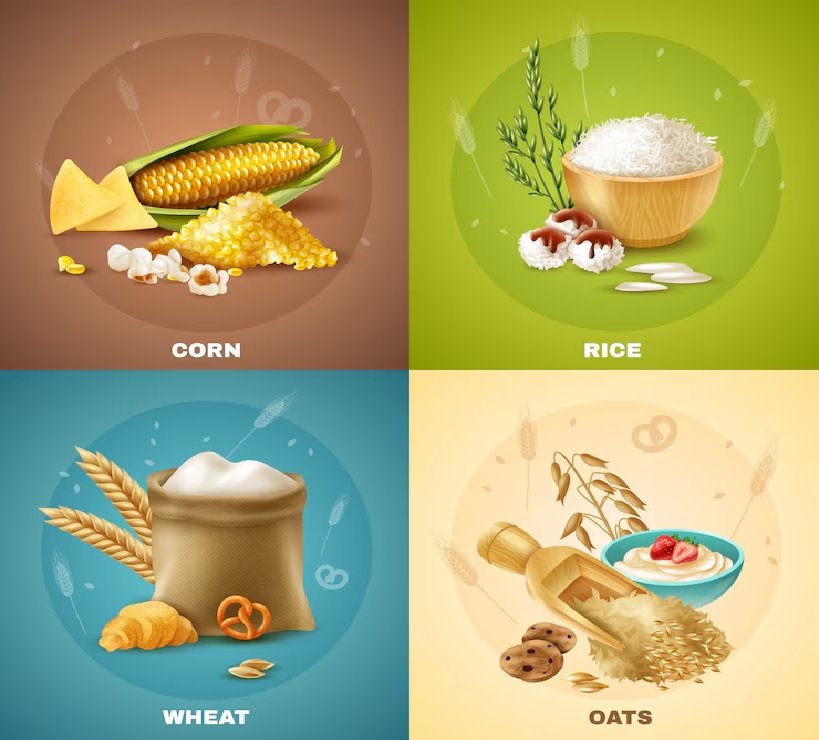
The study conducted by the Indian Council of Agricultural Research (ICAR) highlights the significant impact that climate change is expected to have on crop yields in India.
Specifically, the research predicts that by 2050, the average yield of rice in rain-fed areas could drop by 20%, with a much steeper decline of 47% by 2080, unless appropriate measures are taken. In contrast, areas with irrigation systems will experience less severe declines, with rice yields expected to decrease by 3.5% by 2050 and 5% by 2080.
The study also indicates a decline in wheat yields, estimating a reduction of 19.3% by 2050 and 40% by 2080. For Kharif season maize, a decrease in productivity of 10 to 19% is anticipated by 2050.
The increased levels of carbon dioxide and rising temperatures are also impacting the nutritional quality of crops, causing a decrease in essential nutrients such as iron, zinc, and protein in some rice and maize varieties. This reduction in nutritional value is particularly concerning for food security.
Additionally, the study points out that the quality of wheat grains is being affected by higher temperatures, with grains becoming smaller and flatter, and the starch and protein content decreasing. Excessive rainfall during the ripening stage also leads to discolored wheat grains, further damaging crop quality.
Overall, the findings underscore the need for timely and effective measures to protect the agricultural sector from the negative impacts of climate change.
The Indian government, through ICAR, continues to conduct studies to inform precautionary steps aimed at mitigating these effects and ensuring food security in the future.