
Concrete efforts needed to increase production of pulses
27-Aug-2024 06:04 PM
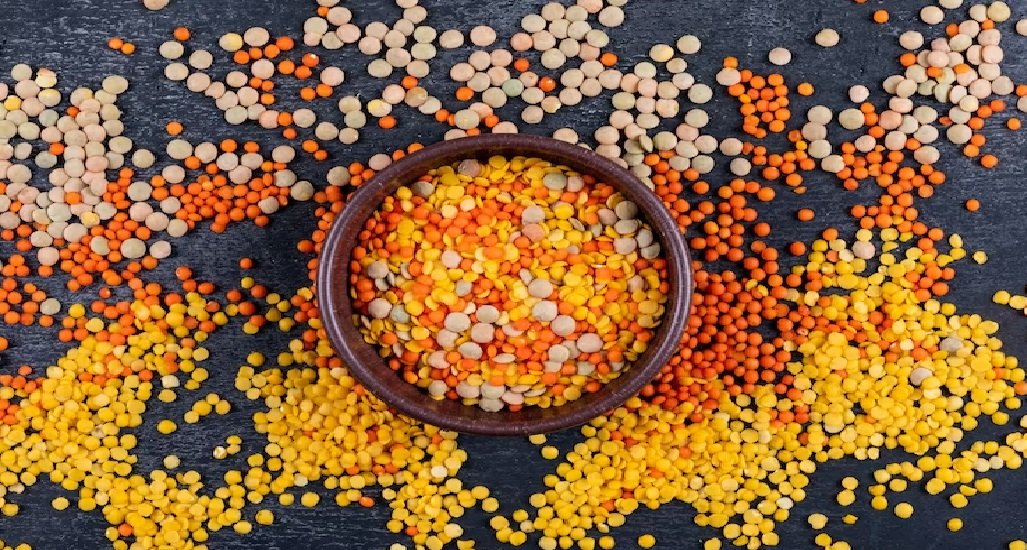
New Delhi. The demand and consumption of pulses in the domestic sector is increasing regularly, but the production of pulses is not increasing in anticipation of this.
As a result, once again the import of pulses from abroad has started increasing heavily in the country.
In the financial year 2022-23, about 25 lakh tonnes of pulses were imported, while in 2023-24 the import increased to around 46 lakh tonnes, on which a huge amount of $ 3.75 billion was spent.
Although the government has set a target to free the country from the import of pulses by the year 2027-28 and the Union Agriculture Minister is also making vigorous efforts to achieve this goal,
but the gap between demand and supply has become so huge that it does not seem possible to bridge it completely in just three years.
The government is also encouraging the import of pulses and therefore it has removed all the conditions and restrictions on the import of five major pulses- tur (tuvar), gram,
urad, masoor and peas and has taken them out of the purview of customs duty. In such a situation, it is useless to imagine making the country self-sufficient in the matter of pulses.
A mixed trend is being seen in the sowing of pulse crops during the Kharif season. On one hand, there has been a good increase in the production area of tuvar and moong,
on the other hand, the sowing area of urad and moth is lagging behind last year. There has been an increase of 6.50 lakh hectares in the total area of pulses, but due to the severe flood situation in many districts of important producing states like Madhya Pradesh,
Gujarat and Rajasthan, there is a serious threat to the crops. The fluctuations in the production of Kharif pulses will be known in November-December, but it is doubtful that there will be much difference in it compared to last year.