Home News
12-Oct-2026 04:35 PM
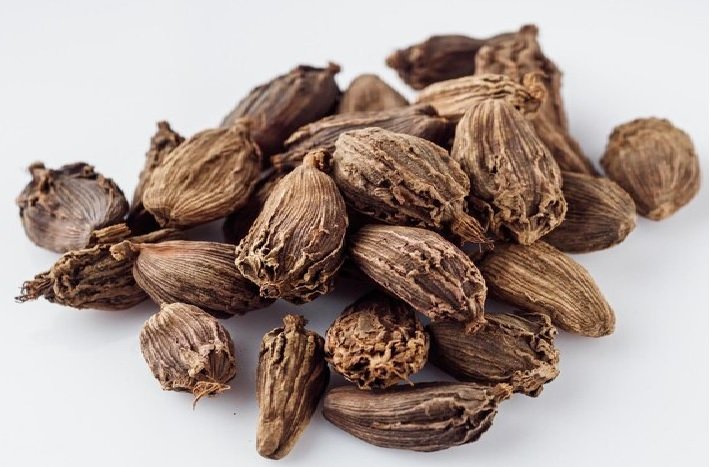
Guwahati. India has witnessed a sharp decline in the export of large (or black) cardamom in recent years. While production has remained relatively stable, domestic demand and consumption have surged, leaving limited stock available for export. Indian exporters often import large cardamom from countries like Nepal and Sudan to re-export it to other international markets. Until a few years ago, India’s annual exports of black cardamom ranged from 5,000 to 6,000 tonnes, generating revenue of up to ₹1,200 crore. At that time, India commanded an 80–85% share of the global export market. Indian large cardamom is exported to Pakistan, Afghanistan, Bangladesh, Malaysia, West Asia, and the European Union.
However, the average annual export of large cardamom has now shrunk to around 1,200 tonnes, yielding annual revenue of merely ₹150–180 crore. It is worth noting that while small cardamom is produced in southern states like Kerala and Tamil Nadu, the cultivation of large cardamom is confined to northeastern states such as Sikkim, Meghalaya, and Assam. Sikkim is the leading producer.
Unfortunately, the area under black cardamom cultivation in Sikkim is shrinking. Grown under forest canopy, the black cardamom plant takes four years to mature into a bearing plant before it begins to produce pods. These plants remain productive for the next 25–30 years. However, due to various factors, the lifespan of the plants is decreasing, and the crop frequently suffers damage from pests and diseases. In Sikkim, the production of large cardamom stood at approximately 5,600 tonnes during the 2003-04 season but dropped to 2,500 tonnes by 2010. Subsequently, production gradually increased, reaching 5,591 tonnes in the 2024-25 season.