
Discussion on opening pea import in full swing
14-Dec-2024 09:39 AM
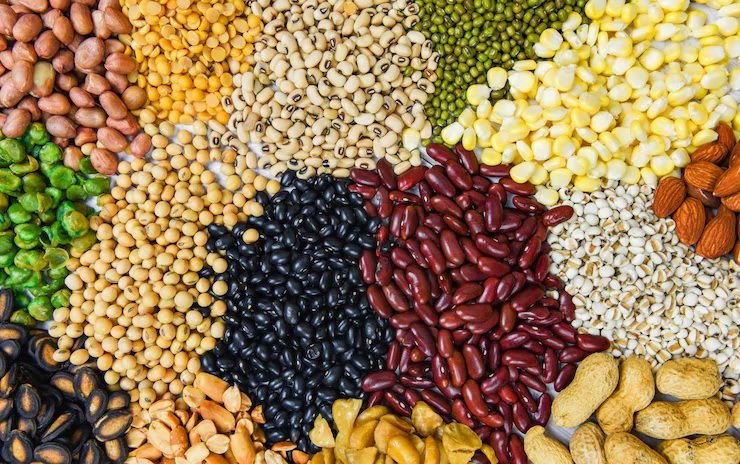
Discussion on opening pea import in full swing
The debate over opening pea imports is intensifying, with key stakeholders weighing the pros and cons amidst current agricultural and economic conditions.
Arguments in Favor of Opening Pea Imports:
Reduced Productivity of Tuvar and Weak Desi Gram Availability:
Decline in the production of tuvar (pigeon pea) and weak availability of desi gram are cited as primary reasons to justify the need for additional pea imports to meet market demand.
Potential Import Volumes:
Between April and November 2023, 14.77 lakh tonnes of peas could be imported.
A larger volume of 26.46 lakh tonnes is projected for the 11-month period from December 2023 to November 2024, signaling ample capacity to address domestic shortages.
Market Pressures on Importers and Traders:
Many importers, traders, and stockists have suffered heavy losses, with their purchasing power significantly weakened. Opening imports could help stabilize trade and replenish stock levels.
Pea Stocks at Ports:
Despite restrictions, a substantial stock of peas remains available at ports, indicating that unlocking imports could help clear existing backlogs.
Arguments Against Opening Pea Imports:
Farmer Concerns:
The Agriculture Department opposes the move, citing the adverse effects it could have on farmers already grappling with low prices for their produce.
Allowing unrestricted imports could exacerbate price suppression, further harming domestic growers.
Impact on Domestic Market:
Opening pea imports might flood the market, leading to oversupply and price volatility, making it challenging for local farmers to compete.
Key Challenges:
Balancing Stakeholder Interests: A decision to open imports must carefully consider the economic viability of traders and stockists alongside the livelihood of farmers.
Economic Losses and Weak Purchasing Capacity: The losses incurred by traders highlight the strain in the market, but excessive imports could compound challenges for domestic producers.
The Way Forward:
The government might need to adopt a middle-ground approach, such as:
Conditional Import Allowances: Allowing limited pea imports to address immediate shortages without oversaturating the market.
Price Stabilization Measures: Implementing support mechanisms for farmers, such as subsidies or procurement at MSP, to offset potential losses.
Monitoring Demand and Supply: Closely tracking domestic production trends and demand patterns before deciding on import policies.
This issue underscores the complex interplay between agriculture, trade, and policy, with far-reaching implications for both producers and traders.