Home News
12-Nov-2026 05:50 PM
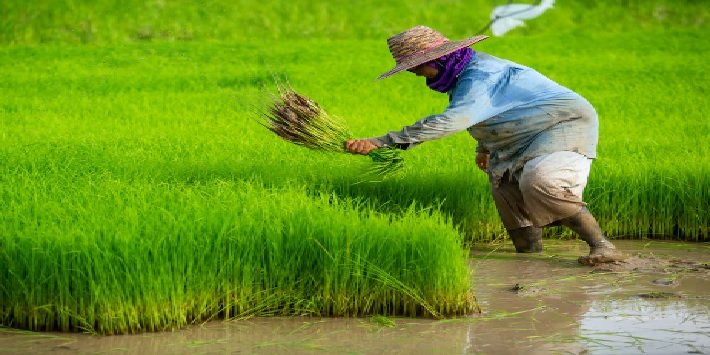
Vijayawada. Bolstered by rainfall from the Northeast monsoon and supported by high market prices, farmers in South India are finding strong incentives to sell their paddy during the current Rabi season. It is noteworthy that during this year’s Kharif season, the area under paddy cultivation declined in states such as Telangana, Andhra Pradesh,
Tamil Nadu, and Karnataka; furthermore, deficient Southwest monsoon rainfall adversely affected crop conditions in non-irrigated regions. Consequently, production—particularly of 'A' grade rice—is estimated to have fallen by 25–30 percent in these areas.
Most Rabi-season paddy cultivation takes place in South India, as well as in states like Odisha, West Bengal, Bihar, and Gujarat. The cultivation cycle extends into the extended Rabi/summer (Zaid) season. In this region, 75–80 percent of total rice production occurs during the Kharif season, while 20–25 percent is produced during the Rabi/Zaid season.
According to official data, the area under paddy cultivation for the current Rabi season had reached 673,000 hectares by November 6—a slight increase from the 653,000 hectares recorded during the same period last year.