Home News
12-Nov-2026 06:48 PM
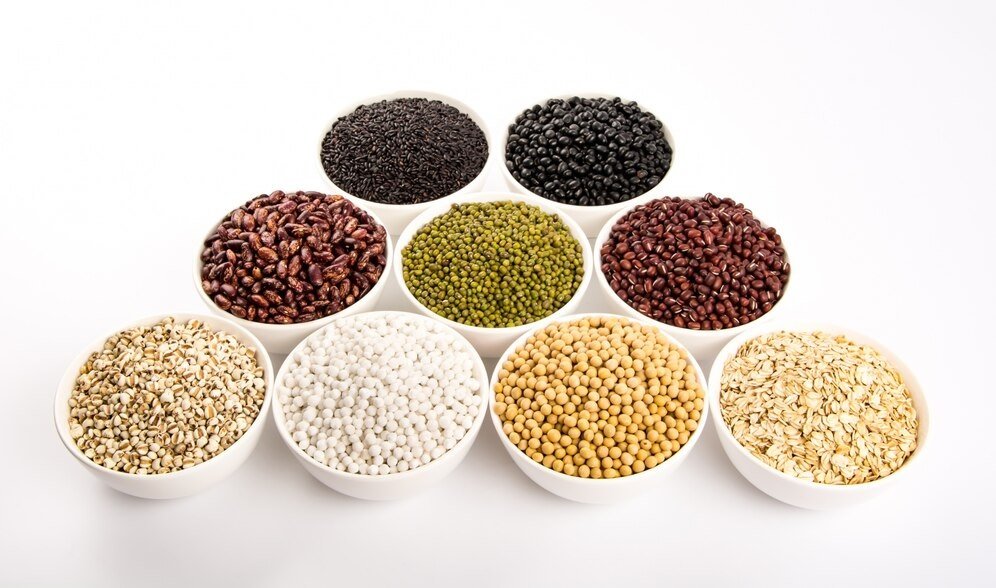
New Delhi. Although weekly data from the Union Ministry of Agriculture indicates that the total area under millet cultivation for the current Rabi season reached only 8.15 lakh hectares as of November 6, 2026—a decrease of 1.72 lakh hectares compared to the 9.87 lakh hectares sown during the same period last year—this gap is not substantial, and it is possible to bridge it in the coming weeks. In fact, conditions are becoming increasingly favorable for accelerating the sowing of millets. Furthermore, market prices have begun to strengthen.
According to official data, during the period under review, the area under sorghum (jowar) fell from 5.28 lakh hectares to 4.98 lakh hectares; the area under maize (corn) declined from 3.24 lakh hectares to 2.49 lakh hectares; and the area under barley dropped from 84,000 hectares to 29,000 hectares. Similarly, the area under finger millet (ragi) slipped from 47,000 hectares to 33,000 hectares. The area under pearl millet (bajra) remained steady at 2,000 hectares, though its cultivation during the Rabi season is typically limited to a very small area.
Farmer interest and activity regarding the sowing of sorghum, maize, and barley are expected to increase in the coming weeks, as wholesale market prices have improved—rising above the government-mandated Minimum Support Price (MSP)—and weather conditions have become more conducive. For the cultivation of millets, a moderate level of soil moisture is sufficient. This year, some parts of the country experienced a lack of rainfall during and after the Southwest monsoon.
In states like Maharashtra and Karnataka, if the sowing of chickpeas (chana) is adversely affected by drought, farmers may choose to prioritize the sowing of maize and finger millet (ragi) instead. Rajasthan is the largest producer of barley in the country. It is also the leading state for mustard production, and since chickpeas are grown there on a large scale, the status of Rabi crop sowing in this state is being closely monitored. Some parts of the state have received less rainfall.