
Exporters are getting worried seeing the shortage of new rice
23-Nov-2024 09:22 AM
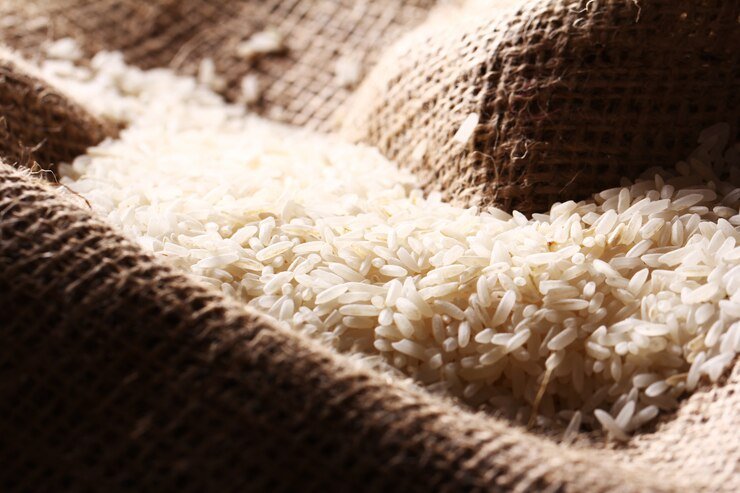
Exporters are getting worried seeing the shortage of new rice
It seems the rice industry is facing several challenges that are affecting both the domestic supply and export potential. Here’s a breakdown of the key issues you’ve highlighted:
Shortage of New Rice and Impact on Supply: Millers and shellers are concerned about the shortage of new rice, which is affecting milling rates and overall rice supply. This shortage is partly due to reduced milling operations in certain states, which has further strained the supply chain.
Pressure on Custom Milling Rice Rate (CMR): Millers, especially from key rice-producing states like Punjab, Haryana, and Odisha, are calling for an increase in the CMR. This is important because the CMR determines the amount millers get for processing rice, and a reduction in CMR could make milling operations less profitable and further limit milling capacity.
Price Disparity: On one hand, some states are offering a purchase price at the Minimum Support Price (MSP) + a bonus (Rs 3100 per ton), while on the other, milling charges have been cut by Rs 100 per ton. This creates an imbalance, where producers may not have enough incentives to mill rice at profitable rates.
Export Challenges: The supply chain disruptions are impacting rice exports, as the demand for new rice from mills isn’t being met, and export quantities are at risk due to the reduced milling operations. This could affect global rice markets, especially for countries relying on India as a key exporter.
Stock Situation: Although there is an ample stock of rice in the country, much of this rice is old stock. Older rice is typically less desirable for both domestic consumption and export markets, potentially lowering its price or quality perception.
Potential for Price Improvement: With ongoing concerns about supply, especially if export demand increases, rice prices may see upward pressure. If the government steps in to support exports, the demand could push prices higher.
Ethanol Production Possibility: There’s also speculation that the Indian government might allow rice to be used for ethanol production, especially the surplus or extra rice that is not needed for food consumption. This would support the government’s ethanol blending program and potentially increase demand for rice, driving prices further up.
Potential Implications:
Higher Prices: If the government does decide to approve the use of rice for ethanol production or supports exports further, rice prices are likely to rise, benefiting producers but potentially leading to higher costs for consumers.
Export Opportunities: India could benefit from higher exports if the government takes action to stabilize supply or incentivize milling, but challenges in milling may limit this.
Policy Interventions: With millers advocating for an increase in CMR, the government may have to weigh in on price regulations, especially if it aims to balance the interests of producers, exporters, and consumers.
Overall, the rice sector appears to be facing a delicate balance of supply, demand, and policy decisions that could shape both domestic pricing and international market dynamics in the near future.