
Government estimates domestic tur (tur) production at 3.2-3.3 million tons
12-Nov-2025 12:31 PM
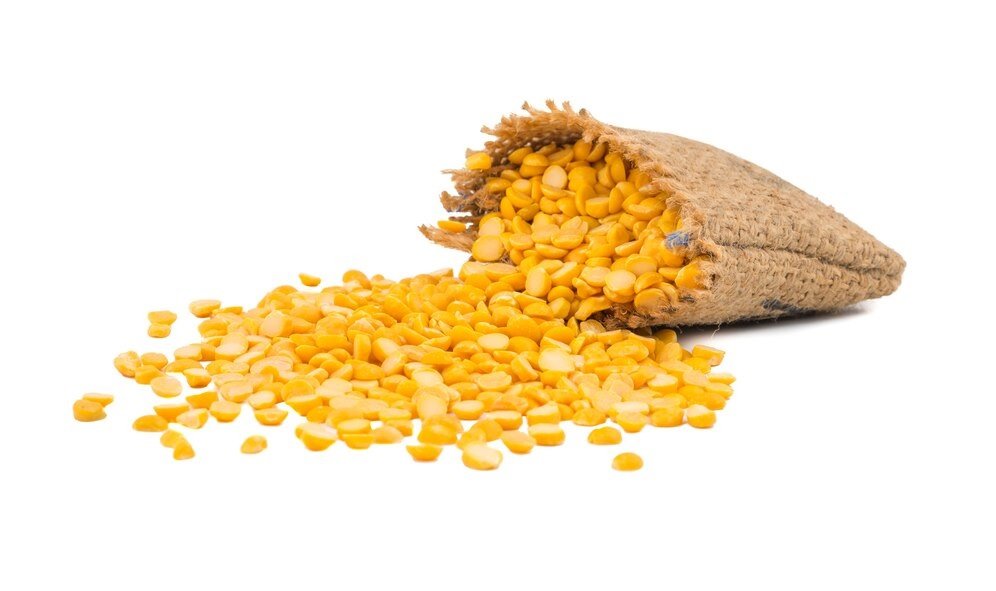
New Delhi. A senior government official says that India's total tur (tur) production during the 2023-24 season is expected to decline to 3.2-3.3 million tons, a 7-10 percent decrease from the 2024-25 season's production of 3.56 million tons.
Although there was a slight increase in the national tur (tur) sowing area during the year under review, significant damage to the crop due to floods and rains in many areas remains a possibility of a decline in production. Despite the expected decline in production, tur prices are trading well below the government's support price.
According to the senior official, during the initial phase, 40-50 percent of the tur crop was reported damaged in some areas of top producing states like Karnataka and Maharashtra, but the crop's condition later partially improved.
This year, the total tur acreage was slightly more than 4.6 million hectares. According to officials, given the improved weather conditions, domestic tur production is unlikely to fall below 3 million tons. Even in the worst-case scenario, production will exceed this figure.
Crop conditions have returned to normal in Maharashtra's Vidarbha region, and average yields are expected to be better than previously.
Previously, a significant decline was feared. It is noteworthy that, given good sowing and favorable weather and monsoon conditions, the government had initially estimated domestic tur production to reach 3.7 million tons in the 2025-26 season.
However, due to crop damage in Karnataka, Maharashtra, and some other states, including Jharkhand, due to excess rainfall, waterlogging, and flooding, production estimates have been reduced.
While the crop is still in its progress in Karnataka, the situation in Jharkhand is reported to be very poor.
Natural disasters and pest and disease infestations have reported crop damage in Bidar and Kalaburagi in Karnataka, Yavatmal, Amravati, and Akola in Maharashtra, and some districts in eastern Uttar Pradesh and Bundelkhand, potentially reducing yields and production rates. Harvesting in Karnataka is expected to begin next month.