
High temperature of February-March can affect wheat crop
24-Jan-2025 06:12 PM
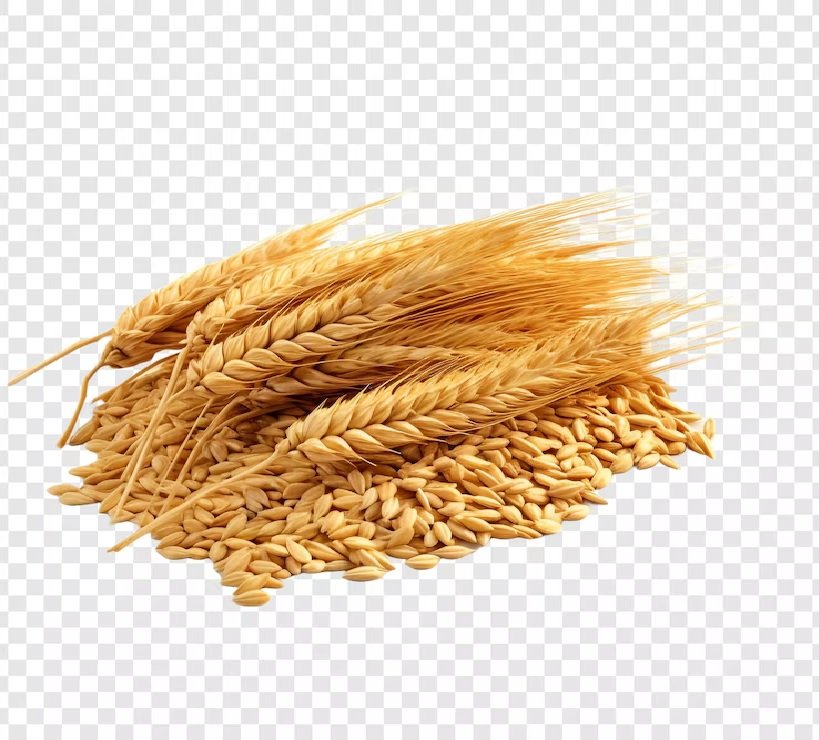
The article highlights the potential risks posed to the wheat crop due to higher-than-normal temperatures expected in February and March 2025, especially in key wheat-producing states like Uttar Pradesh, Madhya Pradesh, Rajasthan, Haryana, Bihar, and Gujarat.
Although conditions have been favorable so far, with sufficient moisture and manageable cold weather, the real challenge lies ahead with the forecasted warmer temperatures and reduced rainfall.
If the temperatures increase significantly in the coming months, it could lead to a decline in both the yield and the size of the wheat grains, particularly affecting the rain-dependent areas.
The situation in Punjab and Haryana, where sowing occurred later than usual, also raises concerns about decreased productivity.
Despite a higher sowing area and an ambitious production target of 1150 lakh tonnes, the government has set a lower procurement target of 300 lakh tonnes, with limited stock available in warehouses.
This combination of factors suggests that while the wheat sowing area has increased, the risks associated with warmer-than-usual weather and insufficient rainfall could complicate efforts to meet the production targets.