
Huge stock of peas at the port, huge loss to many importers
23-Nov-2024 10:06 AM
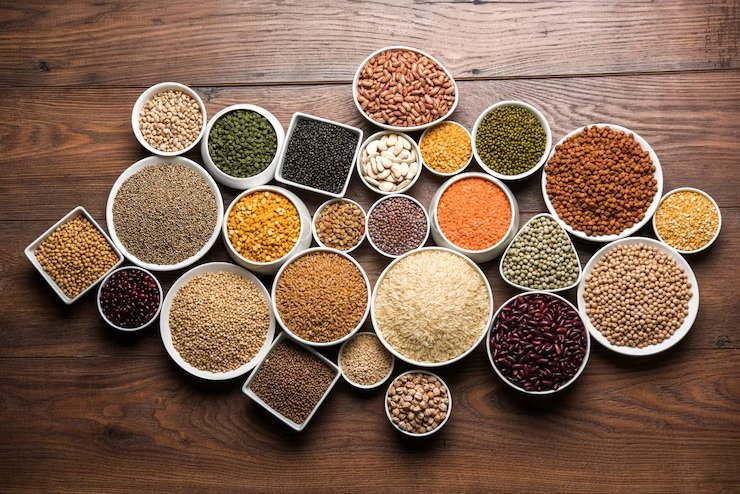
Huge stock of peas at the port, huge loss to many importers
It sounds like the pea market is facing a significant downturn due to a surplus of imported stock, especially with the influx of peas from Canada and Russia at the ports. This has led to a sharp decline in prices, which is impacting many importers who initially bought the goods at higher prices, expecting a more favorable market.
Here are the key points you’ve mentioned:
Price Drop: Peas are now being sold at much lower prices in the domestic market (₹3000–3400 per quintal), which is significantly below the import prices. For instance, peas from Canada are being recorded at ₹3550–3600 per quintal at Mumbai port, while Russian peas are priced between ₹3400–3350 per quintal.
Import Impact: The surge in imported peas, particularly from Canada and Russia, has driven down prices across the market. Prices in India have fallen, impacting domestic pulse markets, including gram, pigeon pea, and lentils. This drop in price is leading to a collapse in many pulse markets.
Stock and Supply: It appears that a large stock of peas remains at the ports, and until this stock is consumed, there is little hope for a price recovery. The government’s decision on whether to further open up pea imports will be critical in determining future price trends.
Limited Price Increase in the Short Term: With a large amount of foreign stock still in the market, it’s unlikely that prices will recover significantly in the near term. Even though the BL date for importing peas is set until December 31, 2024, exporters are expected to reduce deals due to the unanticipated market conditions.
This situation is creating a challenging environment for both importers and exporters. The key factor to watch will be government actions regarding future imports and whether any measures are taken to balance the domestic market. If imports are restricted or the surplus stock starts to deplete, there could be some recovery in prices, but it will depend on how quickly the market absorbs the current stock.
The collapse of the pulse markets due to the excessive availability of peas could also shift consumption patterns and pricing dynamics across other pulses.