
The current weather conditions are posing a significant challenge to Rabi crop production in rain-dependent areas of India. After the monsoon season, most regions are experiencing a lack of rainfall and above-normal temperatures. This combination is hindering both the sowing and germination of Rabi crops.
In some regions, the moisture in the soil is rapidly depleting, further exacerbating the situation, especially in areas where crops depend on rain. Farmers are taking risks by sowing crops despite these adverse conditions.
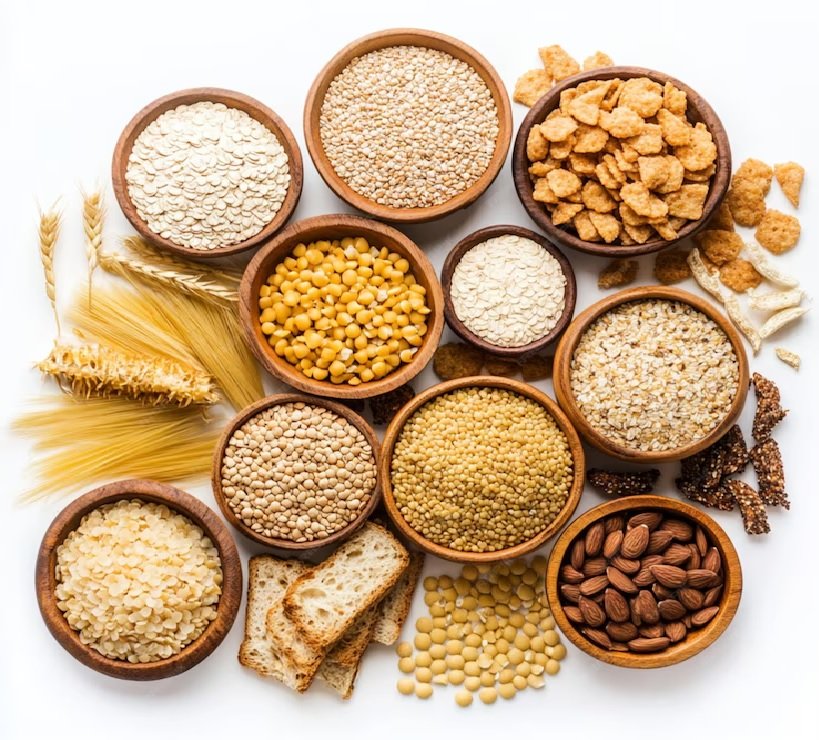
The sowing of key crops such as wheat, paddy, pulses, and coarse grains had been progressing well until last week, while sowing of oilseeds was lagging behind.
However, the pace of sowing has now slowed due to the unfavorable weather. Although attractive market prices for agricultural commodities, including wheat, and a substantial increase in the minimum support price (MSP) for Rabi crops had spurred optimism among farmers, the weather conditions have not been cooperative.
The period from December to February is critical for the Rabi crops, and if high temperatures persist, it could negatively impact the average yield.
The total sowing area for Rabi crops is expected to reach close to the five-year average, but the yield may suffer due to the ongoing weather challenges.
However, if some rainfall occurs and temperatures drop in the coming weeks, there is hope that crop yields could improve.
The delay in the harvesting of Kharif crops has also pushed back the sowing of Rabi crops this season, compounding the difficulties for farmers.