
India Targets Pulses Independence by 2028
11-Jun-2025 11:54 AM
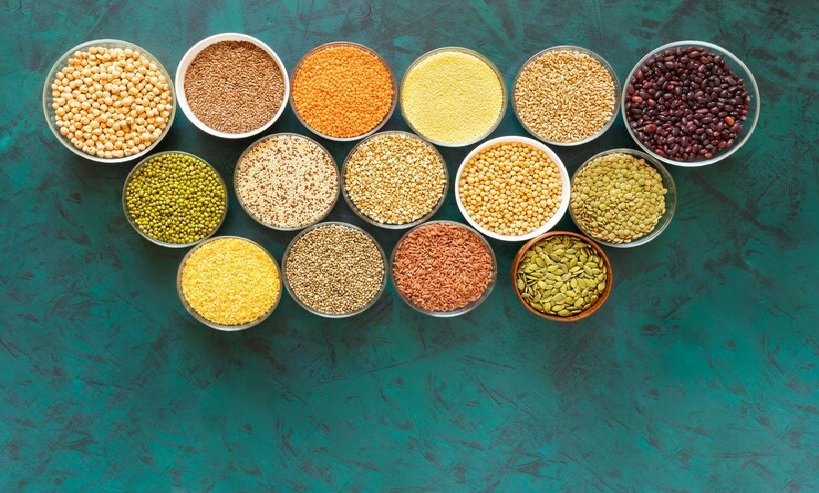
New Delhi. India consumes approximately 300 lakh tonnes of pulses annually, while its domestic production stands around 250 lakh tonnes. This creates a supply-demand gap of nearly 50 lakh tonnes, which is currently bridged through imports from countries like Canada, Myanmar, Australia, Russia, and African nations.
However, the Government of India has now initiated an ambitious plan to boost domestic production of pulses and reduce dependency on imports. This development could pose significant challenges to exporters like Canada, which supplies a substantial portion of lentils and yellow peas to India. India has indicated that it may no longer require imported pulses in the near future, aiming instead for self-sufficiency.
The Union Finance Minister has already announced a target for India to become self-reliant in pulses production by the 2028–29 season. NAFED is expected to play a key role in this effort, being responsible for procuring pulses like tur, urad, moong, masoor, and gram from farmers under the Price Support Scheme (PSS). This year, NAFED has procured around 6 lakh tonnes of tur at the minimum support price, though the procurement of other pulses remains lower.
India, with its large vegetarian population, relies heavily on pulses as a primary source of protein. The government aims to balance controlling market prices with raising minimum support prices and encouraging farmers to expand pulse cultivation through various incentives. Pulse production in India has been marked by instability, with yields fluctuating from year to year, leading to market uncertainty and price volatility. Farmers often feel discouraged by the continuation of the government’s duty-free import policy, and many believe that ending such imports is essential to stabilise the domestic market and incentivise production.