
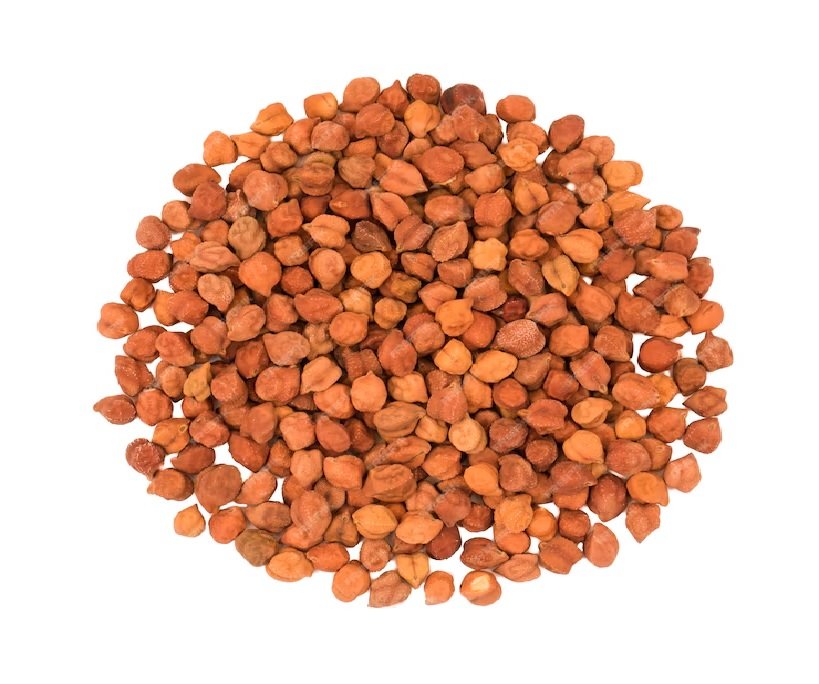
India became the largest importer of Australian Desi gram in October 2024, with its imports reaching 82,418 tonnes, according to a report from the Australian Bureau of Statistics (ABS).
This marked a significant increase in India's purchases following the end of customs duties on gram in May 2024, giving Australia an opportunity to compensate for weaker demand from other major importing countries, including Pakistan and Bangladesh.
In October 2024, Australia's total Desi gram exports surged to 109,622 tonnes, nearly four times higher than the 25,692 tonnes exported in September, driven primarily by India's strong demand. Pakistan and Bangladesh were the second and third-largest importers, with 14,384 tonnes and 3,848 tonnes, respectively.
However, despite this strong performance in October, total exports of Australian Desi gram for the 2023-24 marketing season are expected to be around 527,698 tonnes, a 24% decrease compared to the previous season. Nevertheless, Australia remains the world's leading exporter of Desi gram.
Looking ahead, the Australian Bureau of Agricultural and Resource Economics and Sciences (ABARES) has forecasted a significant increase in the production of Desi gram in the 2024-25 season, projecting a rise to 1.887 million tonnes.
This growth, particularly in New South Wales (expected to reach a record production of 1 million tonnes) and Queensland (with 750,000 tonnes), will likely result in a large increase in Australia's exportable stock.