
India's Lentil Imports Likely to Rise Due to Weak Monsoon
09-Jun-2026 12:43 PM
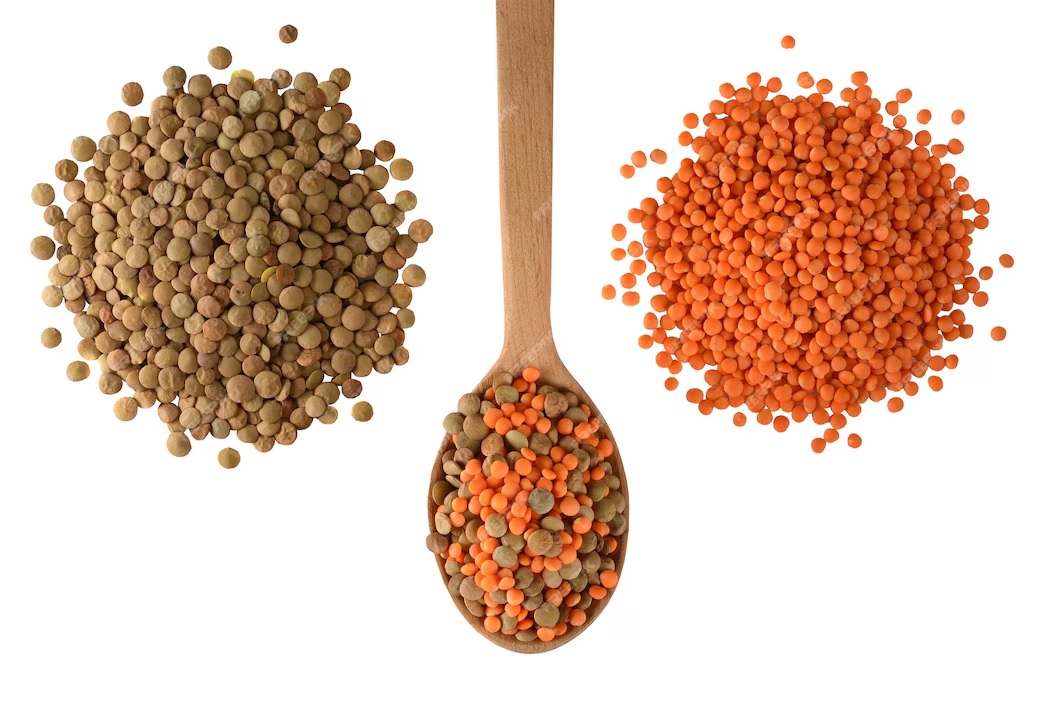
Mumbai: Industry analysts observe that if the southwest monsoon remains weak this year—thereby impacting the production of pulses, particularly *arhar* (tur/pigeon pea), during the Kharif season—imports of various pulses, especially green lentils, could see a significant boost.
Green lentils are considered a viable substitute for *tur*. Trade analysts project that rainfall in India during this year's monsoon season (June–September) will be around 90 percent of the long-period average, with an uneven distribution.
This has raised serious concerns regarding the cultivation and yield of *tur*, the primary Kharif pulse crop. Canadian green lentils often serve as a substitute for Indian *tur*; however, Indian buyers are also expected to increase *tur* imports from Myanmar and African nations. Maharashtra and Karnataka account for approximately two-thirds of India's *tur* production.
As sowing for Kharif pulses—specifically *tur*—has not yet commenced across the country, it is premature to make definitive estimates regarding the cultivated area. The monsoon is currently reaching Karnataka, Maharashtra, Andhra Pradesh, and Telangana, and is expected to advance to Gujarat and Madhya Pradesh in the near future.
Given the anticipated decline in both sowing area and average yield, domestic *tur* production is likely to fall below average levels. The central government has raised the *tur* production target to 4 million tonnes (40 lakh tonnes) for this year—up from 3.6 million tonnes last year—which exceeds the five-year average production of 3.7 million tonnes.
Although the Minimum Support Price (MSP) for *tur* has been raised significantly, wholesale market prices have not been attractive enough for farmers. This could lead to a reduction in acreage and output, with some projections suggesting that *tur* production might drop below 3 million tonnes.