
Kharif Crop Shift: Paddy & Maize Area to Decline, Pulses and Oilseeds to Rise
14-May-2026 04:34 PM
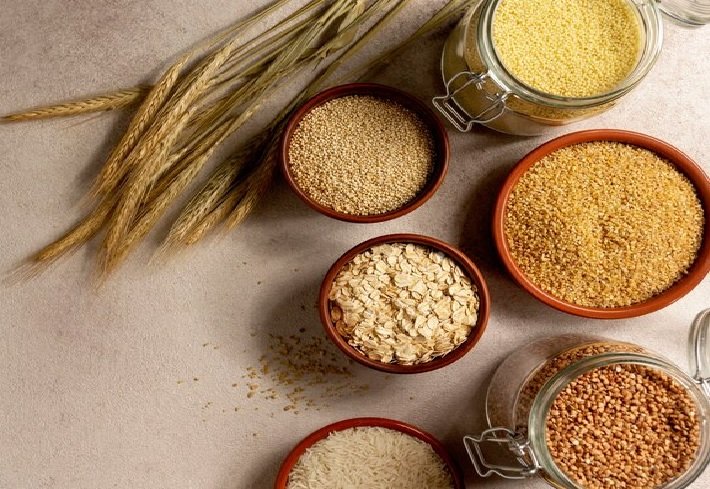
New Delhi. Due to certain specific factors, the area under paddy and maize cultivation is likely to shrink during the current Kharif season. Conversely, farmers may place greater emphasis on cultivating oilseeds—such as soybean and groundnut—and pulses, including Arhar (Tur) and Urad. For the 2026-27 Kharif season,
the government has announced a marginal increase of ₹10 in the Minimum Support Price (MSP) for maize, raising it from ₹2,400 to ₹2,410 per quintal. However, wholesale market prices for maize are currently trading significantly below the MSP, which could dampen farmers' enthusiasm and reduce the crop's appeal for sowing.
Although the MSP for paddy has been raised by ₹72—fixing it at ₹2,441 per quintal for the 'common' variety and ₹2,461 per quintal for the 'Grade A' variety—the prospects for a robust harvest, despite the assurance of massive government procurement at these rates, appear slim. Paddy is a highly water-intensive crop;
however, this season, not only is the monsoon expected to be weak—partly due to the influence of El Niño—potentially leading to a rainfall deficit across several parts of the country, but declining water levels in dams and reservoirs could also hinder artificial irrigation efforts.
On the other hand, the MSPs for Tur, Urad, Soybean, and Groundnut have seen substantial increases. Moreover, these crops require relatively less water for irrigation.
The government also undertakes significant procurement of these crops. Consequently, farmers are likely to show keen interest in cultivating pulses and oilseeds during the Kharif season—an outcome that aligns with the government's objectives.