
Little Scope for Further Decline in Tur Prices
13-Aug-2025 06:19 PM
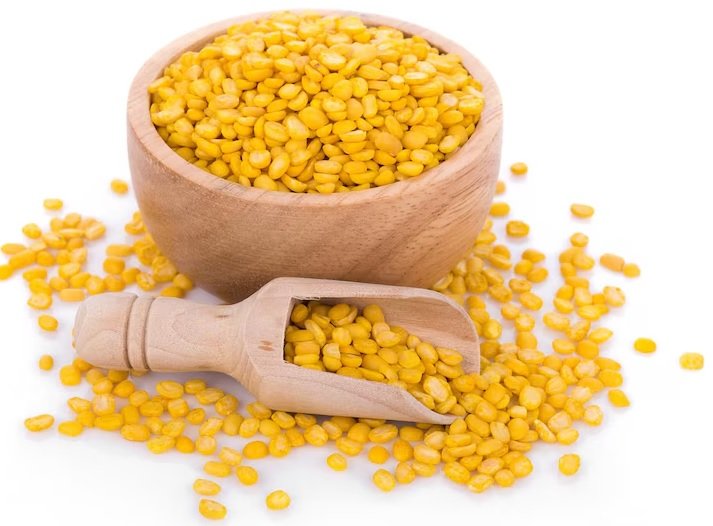
Mumbai. The price of pigeon pea (tuvar) has already come down significantly in the domestic sector, so there is very little possibility of further decline in it in the near future. Its average price is running slightly above Rs 6200/6250 per quintal.
The pace of its supply in the domestic markets has slowed down and the market is mainly dependent on imports from Myanmar.
The situation will remain almost the same till October. The import of new tur goods from African countries is expected to reach India only in October. If there is heavy and regular import of cheap goods, then the pressure on the price of tur may increase.
According to India Pulses and Grains Association (IPGA), last week the price of tur improved by Rs 50 to Rs 6400/6800 per quintal in Solapur, Maharashtra, but fell by Rs 100 to Rs 6800/6850 per quintal in Delhi.
The production area of tur is lagging behind last year, while the ideal time for its sowing is almost over. According to official figures,
till August 8, 2025, the sowing area of this important pulse crop at the national level could reach only 40.86 lakh hectares, which is 2.01 lakh hectares behind the production area of 42.87 lakh hectares in the same period last year and about 4 lakh hectares behind the five-year average area of 44.71 lakh hectares.
The fall in sowing area can have a psychological effect on the domestic market price. It will be necessary to see how the market of tur behaves in African countries.
If the price remains low there, then cheap imports will continue in India and then there will be less possibility of a sharp rise in prices. Permission has already been given to import tur without control in India till March 31, 2026.
The central government also has a good stock of it. In the marketing season of 2024-25, about 6 lakh tonnes of tur was purchased by government agencies.
There may be some improvement in the prices of Tur for the next few weeks but a long term rally cannot be expected as the production in African countries is expected to be normal or better.