
No chance of permanent and strong increase in the prices of paddy and rice
04-Oct-2024 07:26 PM
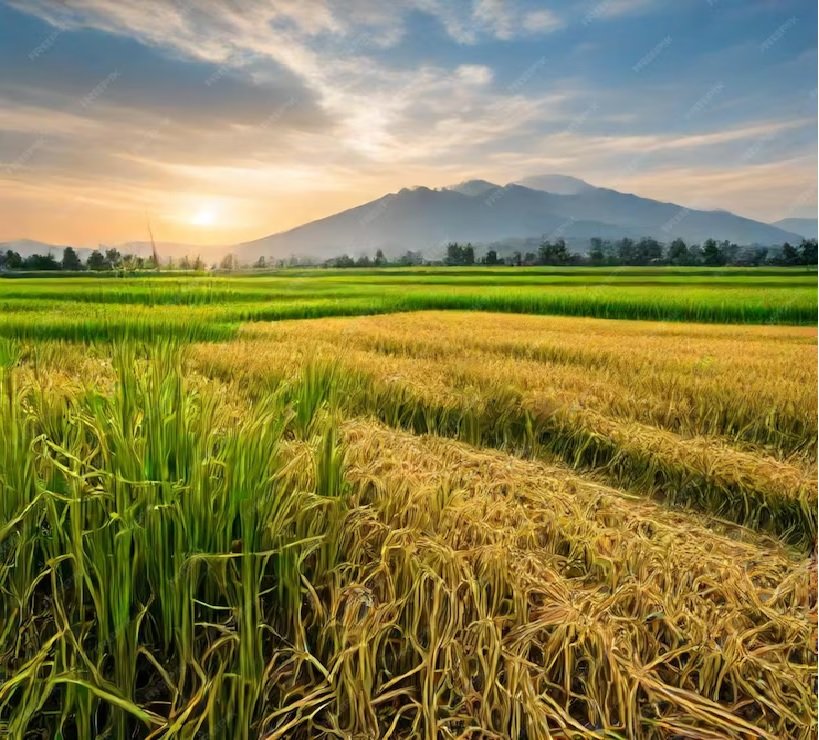
New Delhi. On one hand, the government has completely opened the export of rice, on the other hand, the arrival of new Kharif paddy has started in the domestic sector.
This has made it difficult to predict the prices of paddy and rice. Rahul Chauhan, Director of I Grain India, a leading research firm in the agricultural commodities market,
says that there is very little chance of a strong increase in the prices of paddy and rice on a permanent tour because this time the paddy crop is in good condition and rice production is expected to be better.
Prices may increase from time to time but it will not be permanent. This time, along with the general category, there is a possibility of a great production of premium quality Basmati rice.
A leading exporter of Basmati rice also has a similar opinion. According to him, the government has removed the map of Basmati rice and opened the export of non-Basmati white rice.
This will definitely affect the global market and there will be some softening in the price of rice. India is the world's largest exporter of rice and is now ready to make a strong entry into the global market once again.
According to analysts, before the ban, India was exporting about 16 million tonnes of non-basmati rice annually, which included shipments of about 9 million tonnes of white (raw) rice and 7 million tonnes of sella (cooked) rice. Now the market for this 9 million tonnes of rice has reopened for India.
Sella rice also remains at a competitive level. Since the export duty on sella rice has been reduced from 20 percent to 10 percent, its competitiveness is also sure to improve.
According to exporters, the government has ended the MAP of Basmati rice at the right time, which will help in increasing its export rapidly.
India's decision will be a blow to Pakistan and it will not be able to offer export of Basmati rice at a lower price because Indian exporters will also have this opportunity. Thailand and Pakistan will face difficulties in the field of non-basmati white rice.