
Only 55% of Farmland in Saskatchewan Has Adequate Moisture
14-Jul-2025 02:00 PM
Saskatoon: Due to a lack of weekly rainfall and continued hot and dry weather, many parts of Saskatchewan—Canada’s leading agricultural province—are experiencing significant soil moisture deficits. According to the provincial agriculture department, only 55% of the farmland currently has adequate moisture, while 33% is classified as having below-normal moisture levels, and the remaining 12% is facing severe moisture shortages. This 12% is considered to be under extreme drought conditions, while many areas within the 33% also urgently require substantial rainfall for crop sustenance.
In fields where early sowing was done, crops have now entered the flowering and grain-filling stages, making them especially vulnerable to heat and dryness. If hot and dry weather persists during this critical phase, crop development could be hampered, and average yield potential may decline.
Agricultural experts noted that some rainfall occurred in limited areas during the week of July 1–7, which helped improve crop conditions in those parts. However, the weather remained dry in many other regions, further slowing down plant growth.
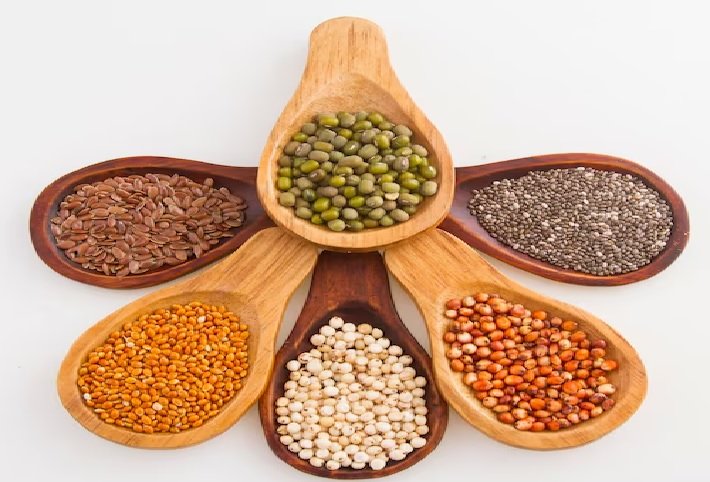
Saskatchewan is Canada’s largest producer of wheat, canola, and pulses such as lentils and peas. Sowing of these crops began as early as April and was mostly completed by June. The harvest of the new crop is expected to start around mid-August, potentially increasing market supply and availability of these products. A significant portion of Canada’s export of these commodities comes from Saskatchewan.
Crop conditions vary significantly across the province based on rainfall distribution. In many areas, rainfall has been irregular and unpredictable. The current month’s weather will be crucial for the outlook of these export-oriented crops. Farmers in rain-dependent regions are increasingly anxious, especially in drought-hit areas where immediate heavy rainfall is needed to salvage crop health. There are also reports of pest and disease outbreaks in some parts, further adding to the concerns.