
Palm oil exports may be affected due to high prices
28-Jan-2025 04:35 PM
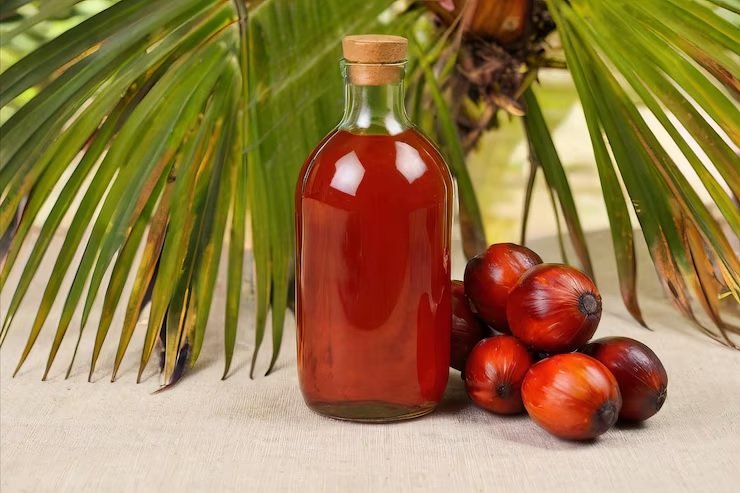
The high prices of palm oil and the changes in export policies by major producing countries like Indonesia, Malaysia, and Thailand are indeed creating a significant impact on global supply and demand. Atul Chaturvedi’s warning about the potential decrease in palm oil exports highlights the vulnerability of markets that heavily depend on this commodity, particularly India.
Indonesia’s decision to prioritize domestic use, especially for biodiesel production, could shift the global palm oil market significantly. If this leads to a reduction in Indonesia’s exportable stock, countries that rely on imports of palm oil, like India, may face difficulties securing their usual supply. The situation could further affect palm oil’s market share as a preferred edible oil compared to alternatives like soybean or sunflower oil, especially if the price gap between these oils and palm oil continues to widen.
India’s reduced imports of palm oil in late 2024, and the trend expected to continue into early 2025, indicate a shift in consumption preferences. This, combined with increased focus on other oils, could further diminish palm oil’s role in the Indian market, opening up opportunities for other suppliers, such as Thailand. However, if Thailand steps up production, it may face increased competition from other sources and could be affected by the overall supply-demand dynamics in the region.
For Indonesia, reducing exports could lead to significant economic losses, as palm oil is a key contributor to its export revenue. At the same time, if prices for palm oil continue to rise due to limited availability, it could exacerbate the situation for countries like India, potentially pushing them to look more towards other alternatives.
How do you think this will affect the palm oil industry in the long term? Will countries like Thailand be able to capitalize on the situation, or will other factors come into play?