
Plan to Boost Pulses Buffer Stock with PSF Purchases
28-Apr-2025 01:08 PM
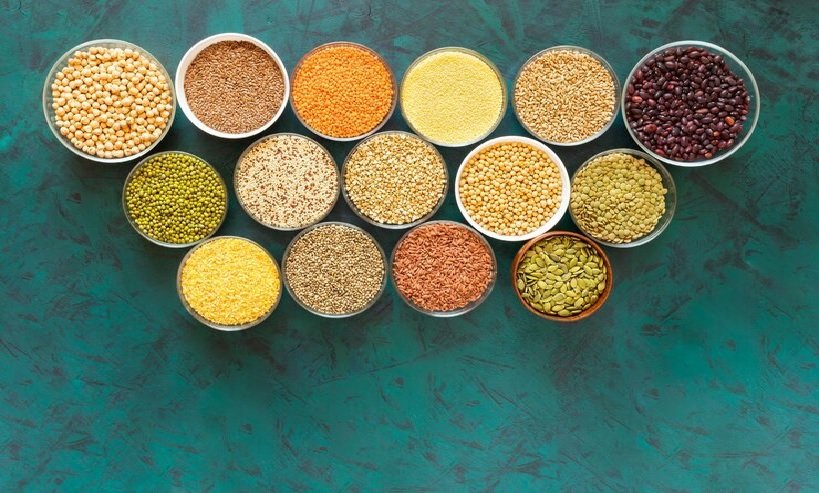
New Delhi,— To strengthen the central buffer stock of pulses, the Indian government is preparing to allow purchases at prevailing market prices under the Price Stabilization Fund (PSF). Currently, government agencies like NAFED and NCCF are buying tur (pigeon pea), gram (chana), and lentils under the Price Support Scheme (PSF) at minimum support prices (MSP). However, rising wholesale market prices have significantly slowed down procurement.
According to official data, by April 24, only 3.92 lakh tonnes of tur were purchased against an approved quantity of 13.22 lakh tonnes. Similarly, just 24,000 tonnes of gram were procured against a target of 28 lakh tonnes.
Currently, less than 50% of the minimum buffer stock requirement — about 17 lakh tonnes — is available. Stocks are heavily weighted toward moong, lentil, and tur, while gram and urad stocks remain critically low.
With the peak season for new tur arrivals ending, supply is expected to decrease further, likely pushing prices higher. While the supply of rabi pulses like gram and lentil is normal, mandi prices are slightly above MSP, complicating government procurement.
Recognizing the need for a strong buffer to stabilize supply and prices during scarcity, the government now plans to permit agencies to purchase pulses at market prices under the PSF. This move could further raise pulse prices but would bring much-needed relief to farmers.
For the 2024-25 season, the MSPs have been set at:
Tur: ₹7550 per quintal
Lentil: ₹6700 per quintal
Gram: ₹5650 per quintal
Official sources indicate that while procurement at MSP continues for now, a decision to allow market-rate purchases could be implemented soon, especially as the wholesale price of gram remains above its MSP and requires bolstering buffer stock levels.