
Rabi Crop Scenario
03-Jan-2026 10:58 AM
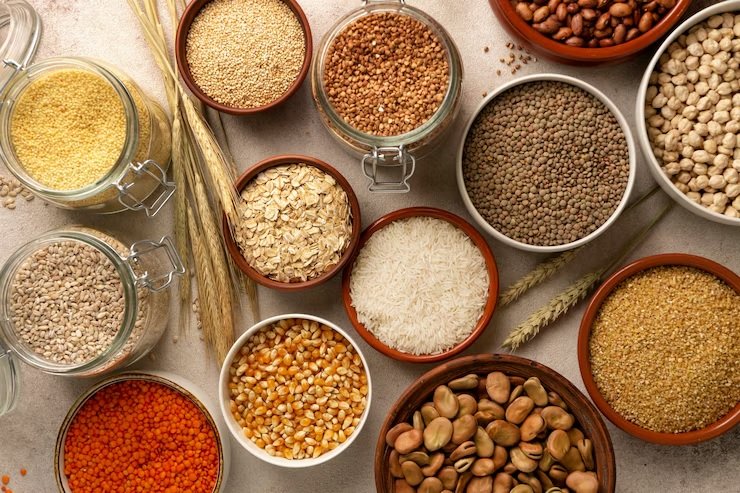
The sowing campaign for Rabi crops, which began in October 2025, has now reached its final stage. Except for wheat in some parts of Bihar and paddy in South India, the cultivation of Rabi crops has been largely completed in most other parts of the country.
As per traditional practice, this year too, the area under cultivation has increased for some crops, while it has decreased for others.
Crops whose acreage has increased include wheat, paddy, and gram, while lentil, maize, barley, mustard, and groundnut have seen a decline in planted area.
The government expects that the total production of food grains and oilseeds will reach the target, but this depends on favorable weather conditions.
Although most parts of the country experienced a lack of rainfall during December, the condition of the Rabi crops remained largely normal because the lower temperatures prevented a significant loss of soil moisture.
One or two good spells of rain will be needed during the January-March quarter; otherwise, farmers will have to make alternative arrangements for irrigation.
Water levels in dams and reservoirs are decreasing, and therefore, efficient water management will be necessary. Currently, all Rabi crops are in a satisfactory condition, so there is no cause for serious concern.
The La Niña weather pattern is also active, which could bring rainfall during the winter season. South India is receiving rainfall due to the activity of the northeast monsoon.
Not only has the area under wheat cultivation increased, but 73 percent of the area has been planted with weather-resistant varieties of seeds.
The condition of gram and mustard is reported to be good. Their sporadic arrival in the market will begin next month. Maize and barley production is also expected to be better.